
Tamil̲īl̲a Viṭutalaippulikaḷ (Association)
Enlarge text Shrink text-
 Corporate Body

-
Save successfulThe item can be found in your Personal ZoneשגיאהLog in to your account to save

- Vitutalaippulikal, 15.3.84:t.p. (Tamilila Vitutalaipulikal; Madrasa)
- Palacinkam, E. Es. Liberation tigers & Tamil Eelam ... 1983:t.p. (Liberation Tigers of Tamil Ealam; Tamilila Vitulalaip Pulikal) p. 24 (est. in 1972 as Tamil New Tigers [no publs. in LC data base]; later changed to Liberation Tigers of Tamil Eelam, in 1976)
- Sardeshpande S. C. Assignment Jaffna, c1992:p. vi (LTTE; Liberation Tigers of Tamil Eelam)
- Bose, S. States, nations, sovereignty, 1994:CIP galley (Liberation Tigers of Tamil Eelam, LTTE, Tamil Tigers)

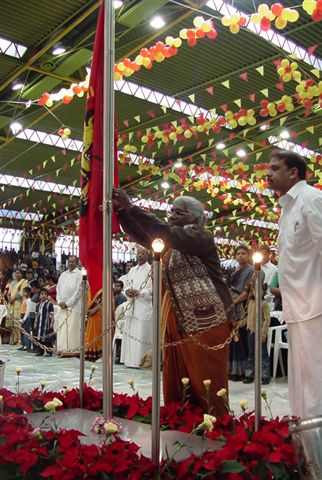
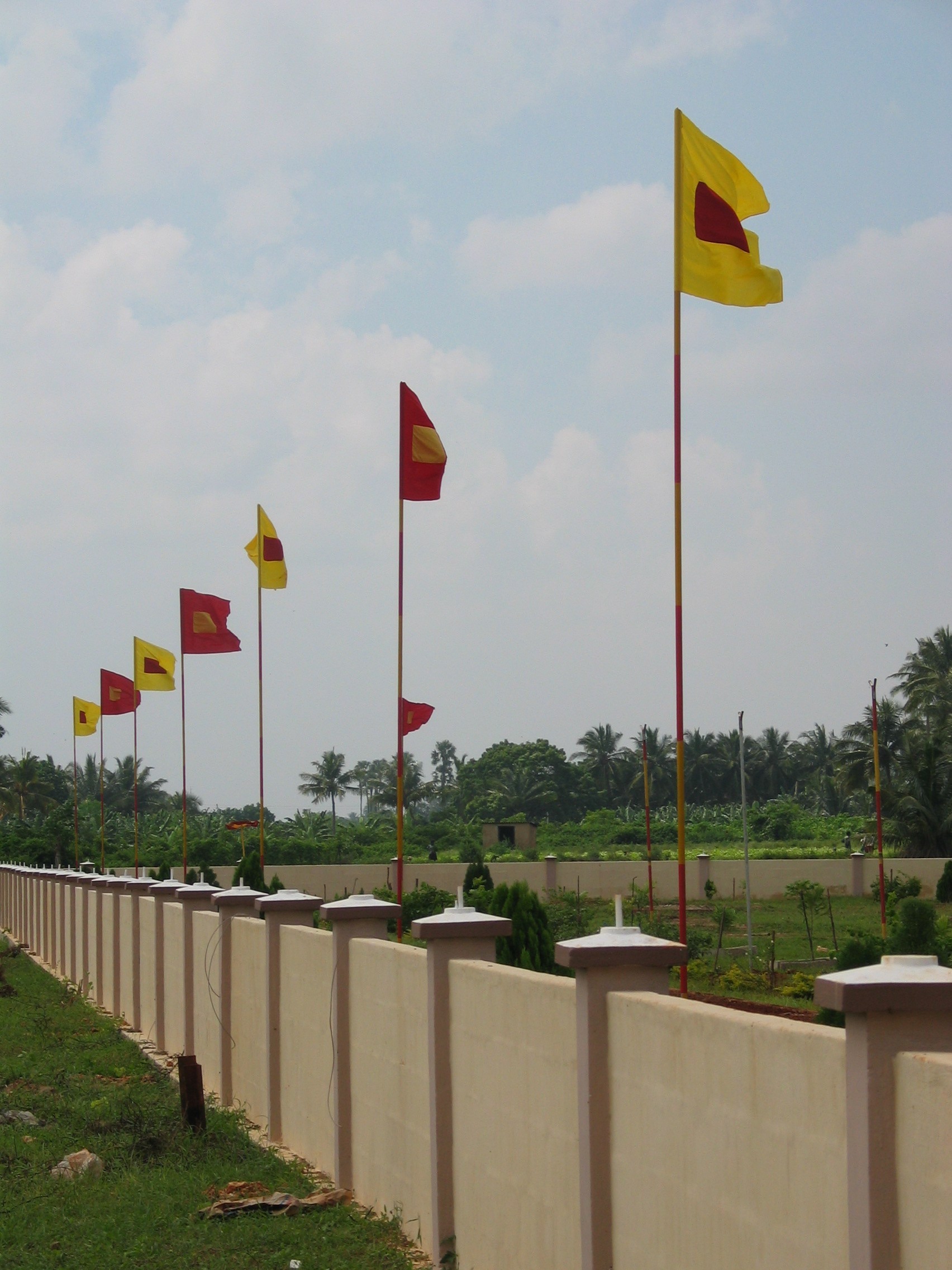

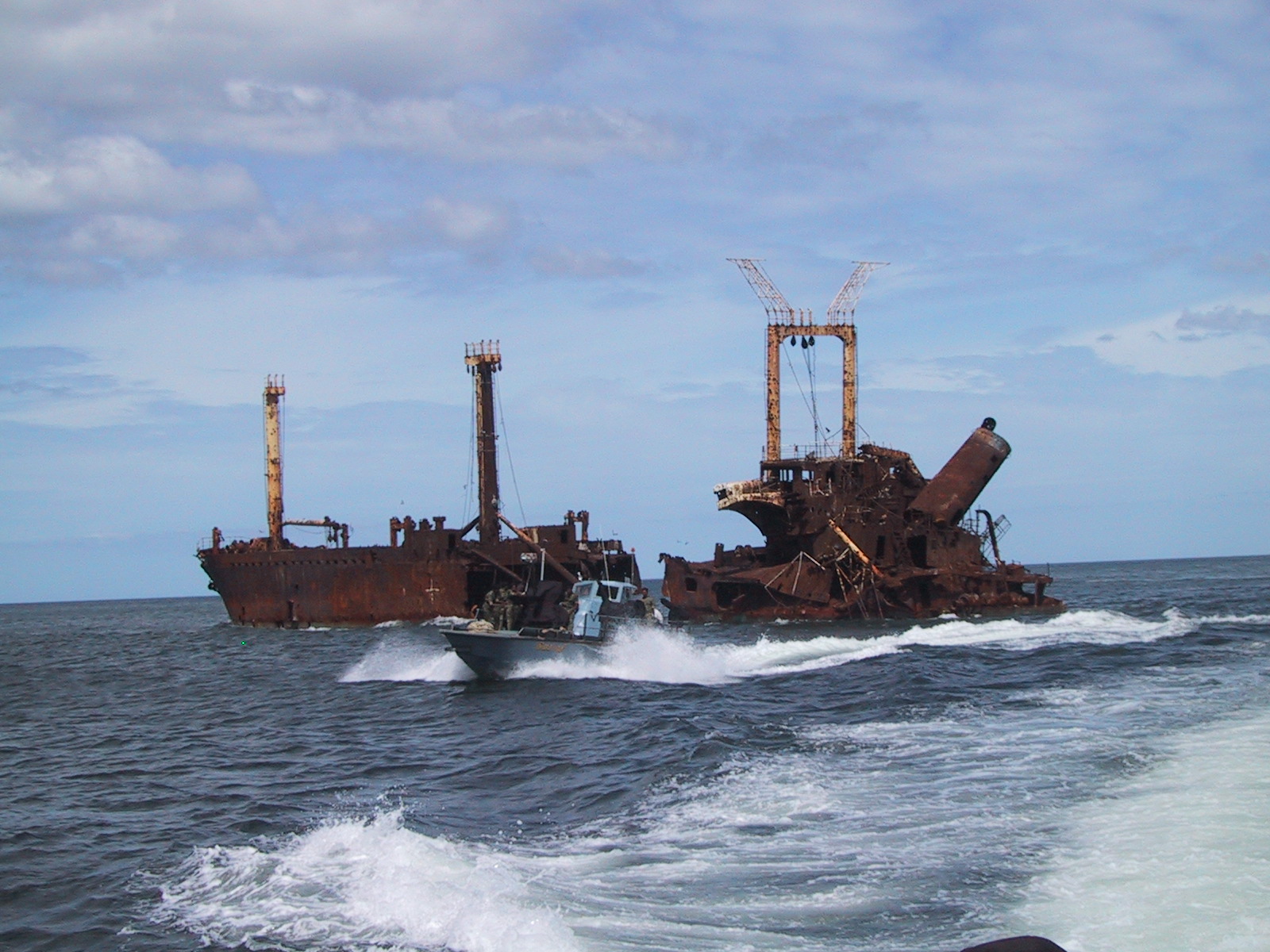
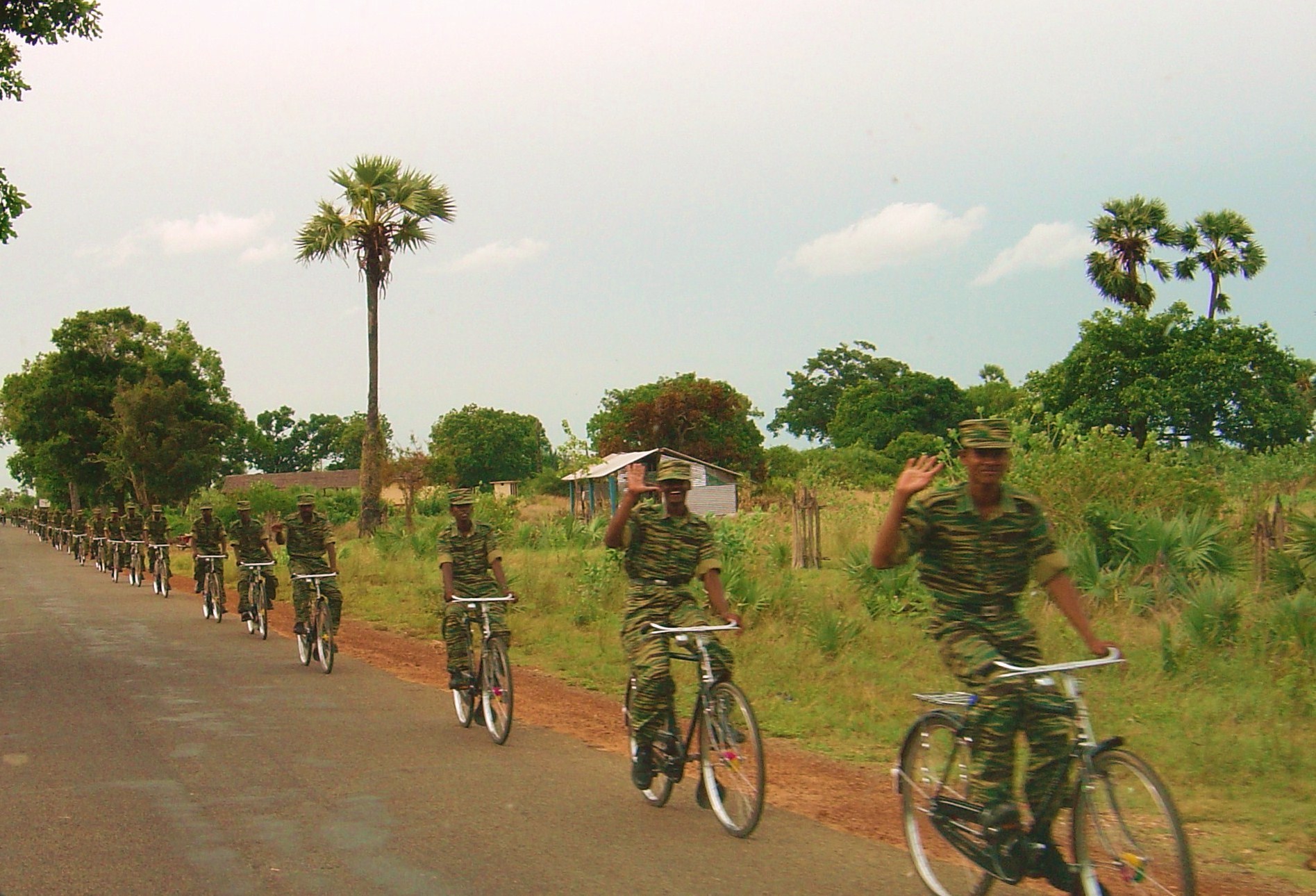

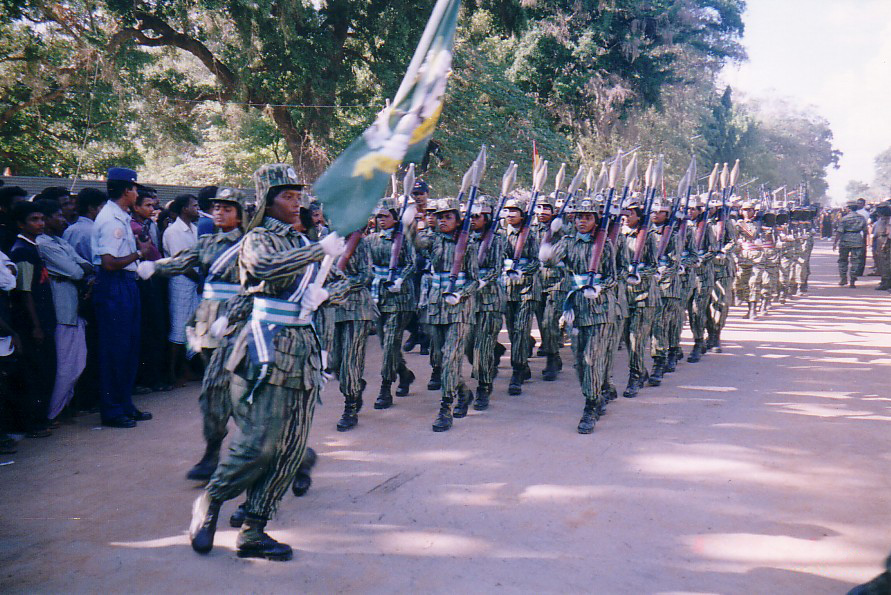
The Liberation Tigers of Tamil Eelam (LTTE; Tamil: தமிழீழ விடுதலைப் புலிகள், romanized: Tamiḻīḻa viṭutalaip pulikaḷ, Sinhala: දෙමළ ඊලාම් විමුක්ති කොටි සංවිධානය, romanized: Demaḷa īlām vimukti koṭi saṁvidhānaya; also known as the Tamil Tigers) was a Tamil militant organization, that was based in northern and eastern Sri Lanka. The LTTE fought to create an independent Tamil state called Tamil Eelam in the northeast of the island in response to violent persecution and discriminatory policies against Sri Lankan Tamils by the Sinhalese-dominated Sri Lankan government. The leader of the LTTE, Velupillai Prabhakaran, cited the 1958 anti-Tamil pogrom as one of the factors that led him to militancy. In 1975, he assassinated the Mayor of Jaffna, Alfred Duraiappah, in revenge for the 1974 Tamil conference incident. The LTTE was subsequently founded in 1976 as a reaction to the Sri Lankan Constitution of 1972 which prescribed Buddhism as the primary religion of the country, and Sinhala as its national language. The LTTE was involved in attacks on government targets, policemen and local politicians and moved on to armed clashes against the armed forces. Oppression against Sri Lankan Tamils continued by Sinhalese mobs, notably during the 1977 anti-Tamil pogrom and the 1981 burning of the Jaffna Public Library. Following the watershed Black July anti-Tamil pogrom in 1983 orchestrated by members of the government, there was a dramatic growth of Tamil militant groups and a full-scale insurgency began, marking the start of the Sri Lankan civil war. By 1986, the LTTE had emerged as the dominant Tamil militant group in Sri Lanka. It would go on to be widely regarded as among the most effective and disciplined insurgent groups in the world. Initially starting out as a guerrilla force, the LTTE increasingly came to resemble conventional armed forces with a well-developed military wing that included a navy, an airborne unit, an intelligence wing, and a specialised suicide attack unit. The LTTE perfected suicide bombing as a tactic. It engaged in a hybrid warfare encompassing both military and civilian targets. The LTTE was also notable for using women and children in combat, and carrying out a number of high-profile assassinations, including former Indian prime minister Rajiv Gandhi in 1991. The LTTE was designated as a terrorist organisation by 33 countries, including the European Union, Canada, the United States and India. Over the course of the conflict, the LTTE frequently exchanged control of territory in the north-east with the Sri Lankan military, with the two sides engaging in intense military confrontations. It was involved in four unsuccessful rounds of peace talks with the Sri Lankan government and at its peak in 2000, the LTTE was in control of 76% of the landmass in the Northern and Eastern provinces of Sri Lanka. Prabhakaran headed the organisation from its inception until his death in 2009. Between 1983 and 2009, at least 100,000 were killed in the civil war, of which many were Sri Lankan Tamils. Many Sri Lankan Tamils also left Sri Lanka for various destinations, mainly Western countries and India, forming the pivotal Tamil diaspora estimated at one million.
Read more on Wikipedia >