
Diabetes in pregnancy
Enlarge text Shrink text-
 Topic
Topic

-
Save successfulThe item can be found in your Personal ZoneשגיאהLog in to your account to save

- LC database, Feb. 26, 1997.


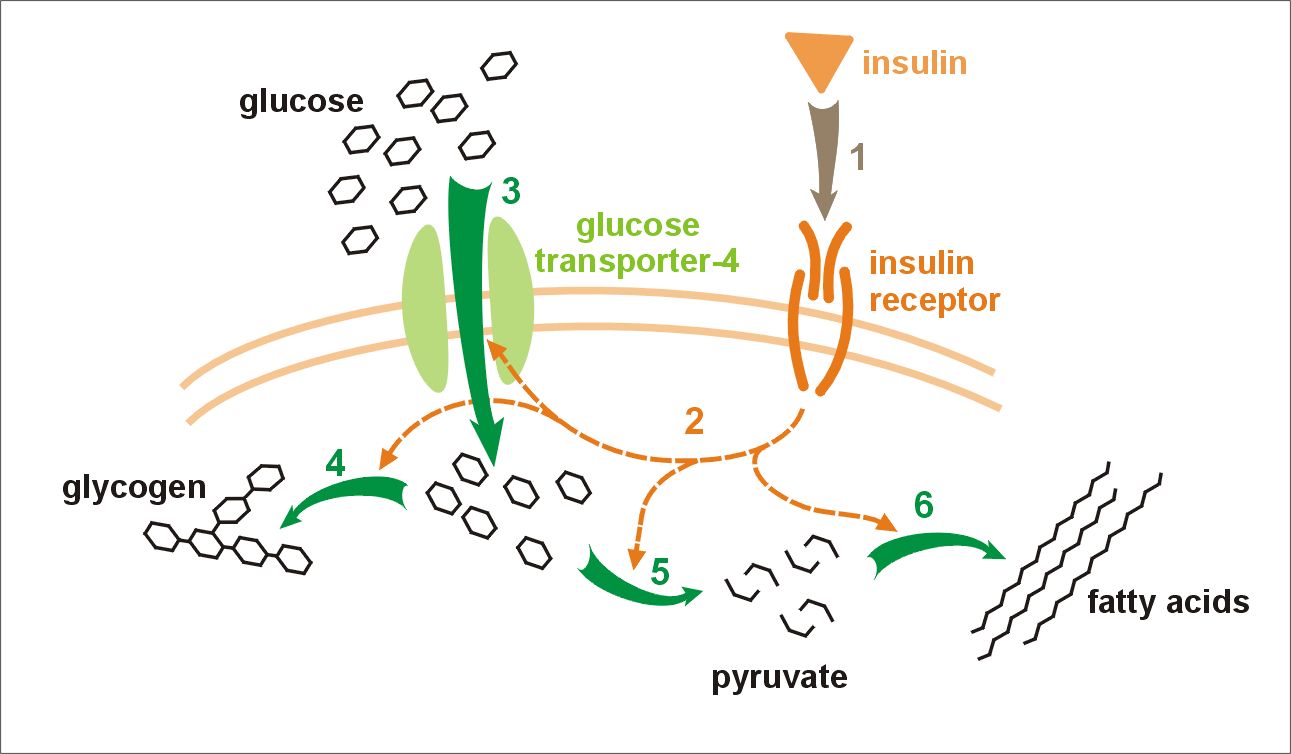
Gestational diabetes is a condition in which a woman without diabetes develops high blood sugar levels during pregnancy. Gestational diabetes generally results in few symptoms. Obesity increases the rate of pre-eclampsia, cesarean sections, and embryo macrosomia, as well as gestational diabetes. Babies born to individuals with poorly treated gestational diabetes are at increased risk of macrosomia, of having hypoglycemia after birth, and of jaundice. If untreated, diabetes can also result in stillbirth. Long term, children are at higher risk of being overweight and of developing type 2 diabetes. Gestational diabetes can occur during pregnancy because of insulin resistance or reduced production of insulin. Risk factors include being overweight, previously having gestational diabetes, a family history of type 2 diabetes, and having polycystic ovarian syndrome. Diagnosis is by blood tests. For those at normal risk, screening is recommended between 24 and 28 weeks' gestation. For those at high risk, testing may occur at the first prenatal visit. Maintenance of a healthy weight and exercising before pregnancy assist in prevention. Gestational diabetes is treated with a diabetic diet, exercise, medication (such as metformin), and sometimes insulin injections. Most people manage blood sugar with diet and exercise. Blood sugar testing among those affected is often recommended four times daily. Breastfeeding is recommended as soon as possible after birth. Gestational diabetes affects 3–9% of pregnancies, depending on the population studied. It is especially common during the third trimester. It affects 1% of those under the age of 20 and 13% of those over the age of 44. Several ethnic groups including Asians, American Indians, Indigenous Australians, and Pacific Islanders are at higher risk. However, the variations in prevalence are also due to different screening strategies and diagnostic criteria. In 90% of cases, gestational diabetes resolves after the baby is born. Affected people, however, are at an increased risk of developing type 2 diabetes.
Read more on Wikipedia >