
Japan History Heisei period, 1989-2019
Enlarge text Shrink text-
 Topic
Topic

-
Save successfulThe item can be found in your Personal ZoneשגיאהLog in to your account to save

- Work cat.: Hosaka, M. Kenshō Heisei ishin, 1990.


East Asia and Pacific Media Hub, Public domain


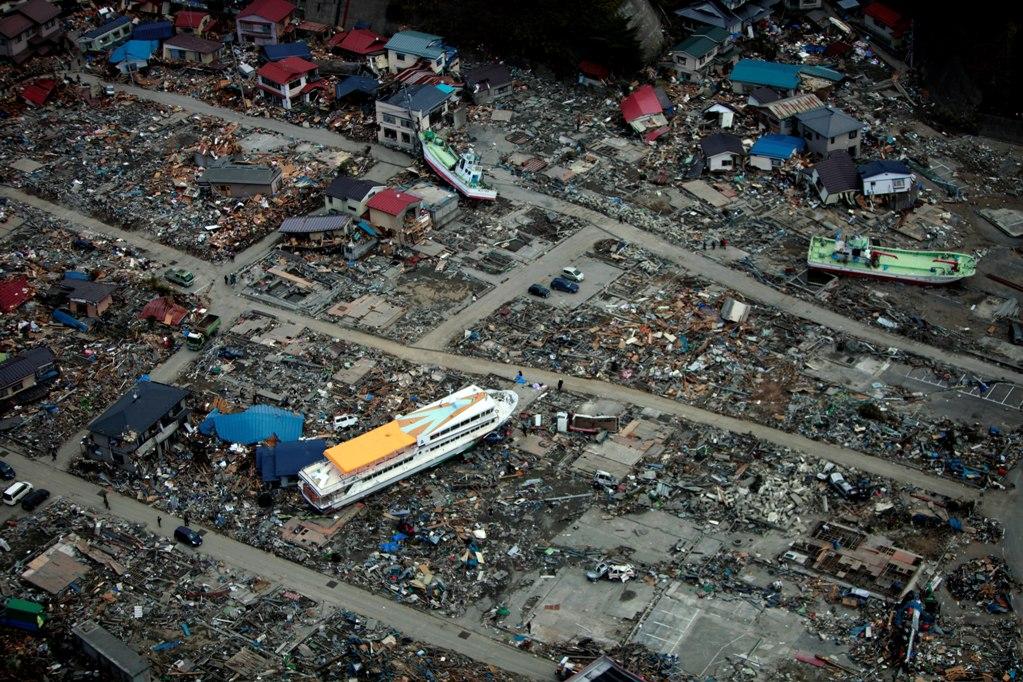
The Heisei era (平成; Japanese: [heiːseiː] ) was the period of Japanese history corresponding to the reign of Emperor Akihito from 8 January 1989 until his abdication on 30 April 2019. The Heisei era started on 8 January 1989, the day after the death of the Emperor Hirohito, when his son, Akihito, acceded to the throne as the 125th emperor of Japan. In accordance with Japanese customs, Hirohito was posthumously renamed "Emperor Shōwa" on 31 January 1989. Thus, 1989 corresponds to Shōwa 64 up until 7 January and Heisei 1 (平成元年, Heisei gannen; gannen means "first year") from 8 January. The Heisei era ended on 30 April 2019 (Heisei 31), with the abdication of Akihito from the Chrysanthemum Throne. It was succeeded by the Reiwa era as then-crown prince Naruhito ascended the throne on 1 May midnight local time.
Read more on Wikipedia >