
Crack (Drug)
Enlarge text Shrink text-
 Topic
Topic

-
Save successfulThe item can be found in your Personal ZoneשגיאהLog in to your account to save

- Work cat.: Chatlos, C. Crack, c1987.
- Browne, D. Crack and cocaine, 1987.
- 48 hours on crack street. CBS Interactive Learning, 1986.
- Clancy, L. Crack, 1986.



Alexis Barrera (Al Bar) of Oaktown Crack Comics.
, CC BY-SA 3.0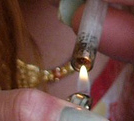

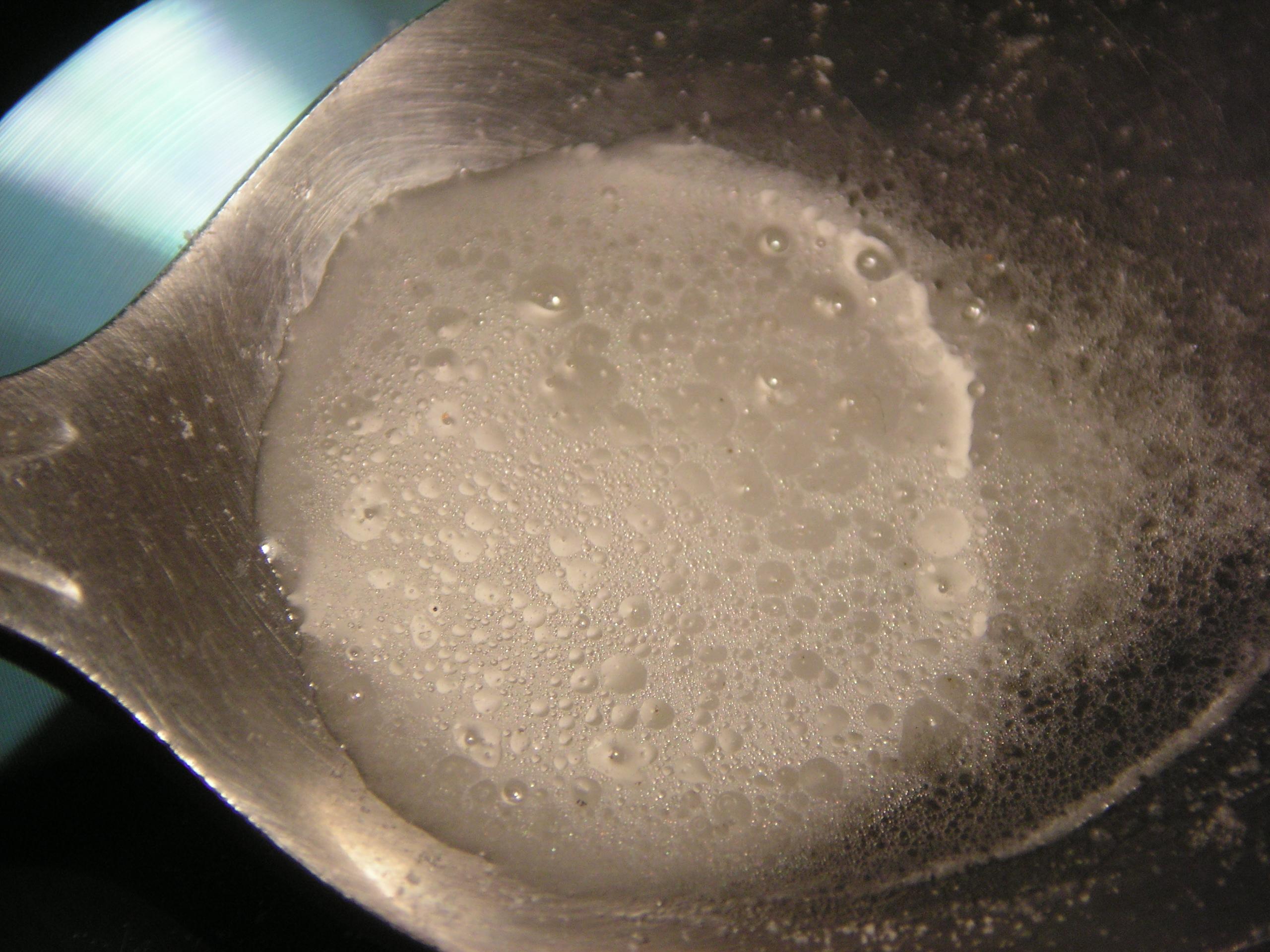
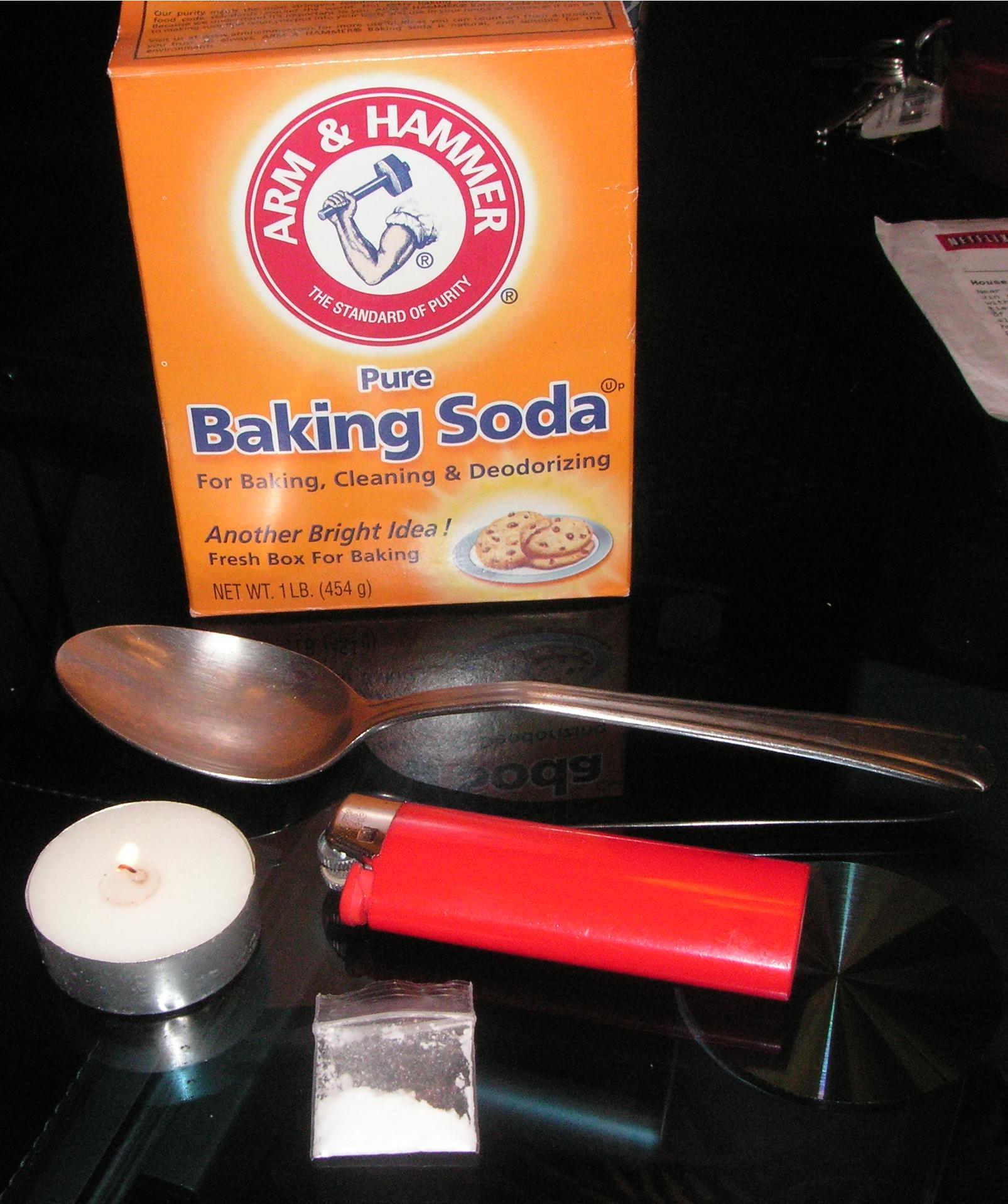
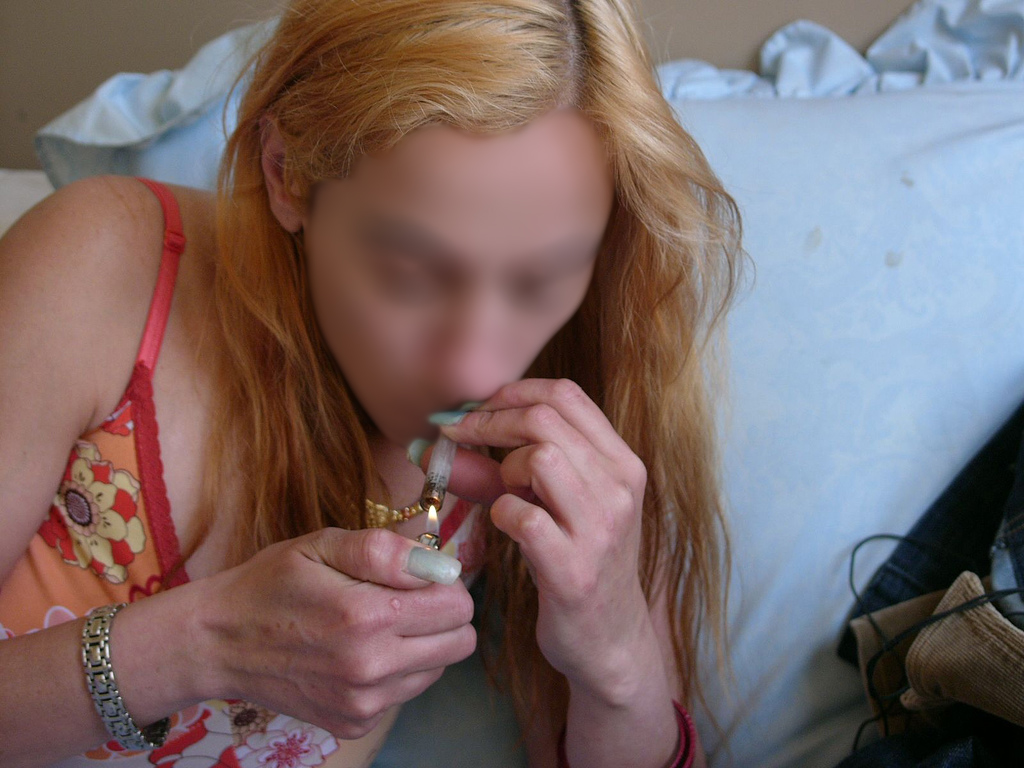
Crack cocaine, commonly known simply as crack, and also known as rock, is a free base form of the stimulant cocaine that can be smoked. Crack offers a short, intense high to smokers. The Manual of Adolescent Substance Abuse Treatment calls it the most addictive form of cocaine. Crack cocaine first saw widespread use as a recreational drug in primarily impoverished neighborhoods in New York City, Philadelphia, Baltimore, Washington, D.C., Los Angeles, San Francisco and Miami in late 1984 and 1985. This rapid increase in use and availability was named the "crack epidemic", which began to wane in the 1990's. The drug creates quick effects when smoked. Crack cocaine takes five to ten seconds before symptoms are shown. Short-term effects of the drug include euphoria, hyper-focus, sociability, cardiovascular hypertension, dilated pupils, hyperthermia, vertigo, tremors, restlessness. Repeated use can lead to respiratory failure, seizures, CNS depression, and cardiomyopathy. The drug also tends to cause users to develop paranoia, delusions of bugs under their skin, and in high doses, psychosis. Crack cocaine and salt-based cocaine are both classified by the Drug Enforcement Administration (DEA) as Schedule II drugs under the Controlled Substances Act.
Read more on Wikipedia >