
Bali Bombings, Kuta, Bali, Indonesia, 2002
Enlarge text Shrink text-
 Topic
Topic

-
Save successfulThe item can be found in your Personal ZoneשגיאהLog in to your account to save

- Work cat.: Bali bombing, [videorecording], Nine Australia, 2002.
- Atkinson, A. Three weeks in Bali: a personal account of the Bali bombing, 2002.
- News interactive website, Aug. 27, 2003(Bali bombing)
- Parliamentary Library of Australia website, Aug. 27, 2003(Bali bombings)
- Virtual tourist website, Aug. 29, 2003(Paddy's Pub)
- Indo website, Sept. 1, 2003(bombs exploded, set off in Legian, Kuta amidst the popular clubs of Sari Club and Paddy's)


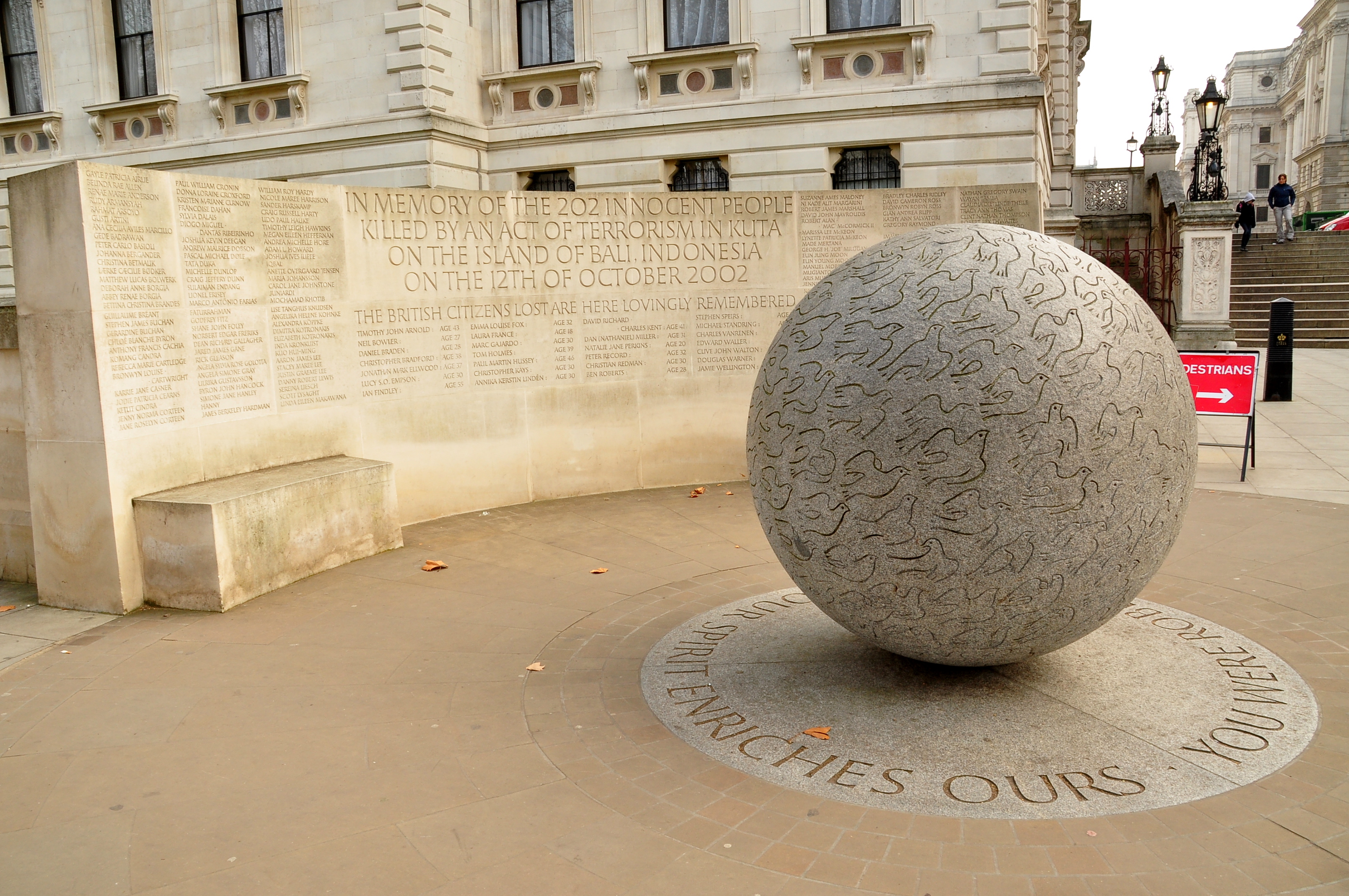


The 2002 Bali bombings were a series of terrorist attacks on 12 October 2002 in the tourist district of Kuta on the Indonesian island of Bali. The attacks killed 202 people—including 88 Australians and 38 local Indonesians—and injured a further 209, making it the worst terrorist act in Indonesia's history. Various members of Jemaah Islamiyah (also abbreviated JI), a Islamist group, were convicted in relation to the bombings, including three who were sentenced to death. The attack involved the detonation of three bombs: a bomb vest worn by a suicide bomber; a large car bomb, both of which were detonated in or near popular Kuta nightclubs; and a third, much smaller device detonated outside the United States consulate in Denpasar, causing only minor damage. On 9 November 2005, one of the top JI's bomb-makers, former Malaysian university lecturer Azahari Husin, was killed in a police raid on a house in Batu, East Java. Azahari was believed to be the technical mastermind behind the Bali bombings and several terrorist attacks in Indonesia during the early 2000s. On 9 November 2008, Amrozi bin Nurhasyim, Imam Samudra, and Mukhlas were executed by firing squad on the island prison of Nusakambangan. On 9 March 2010, Dulmatin, nicknamed "The Genius"—believed to have set off one of the Bali bombs with a mobile phone—was killed in a shootout with Indonesian police in Pamulang, South Tangerang.
Read more on Wikipedia >