
Limes
Enlarge text Shrink text-
 Topic
Topic

-
Save successfulThe item can be found in your Personal ZoneשגיאהLog in to your account to save

- Spiegel-Roy, P. Biology of citrus, 1996:p. 43 (Limes include both acid and sweet ('acidless') cultivars)
- Citrus, c1996:p. 93 (Lime includes 'Bearss' or 'Persian,' 'Kieffer,' 'Mexican,' and 'Palestine Sweet')
- Ray, R. Citrus, c1980:p. 92 (Limes ... The two species of acid limes are classified as large-fruited and small-fruited limes)
- Web. 3(Lime, a spiney tropical tree (Citrus aurantifolia))
- CAB thes.(Limes UF Kaghazi limes UF Mexican limes RT Citrus aurantiifolia)
- Hortus 3(C. aurantiifolia (Christm.) Swingle Lime ... The common acid lime of subtrop. Fla. and the Caribbean ... (Mexican L., Key L., West Indian L.) Cvs listed include 'Bears' ... 'Tahiti,' Persian L.)

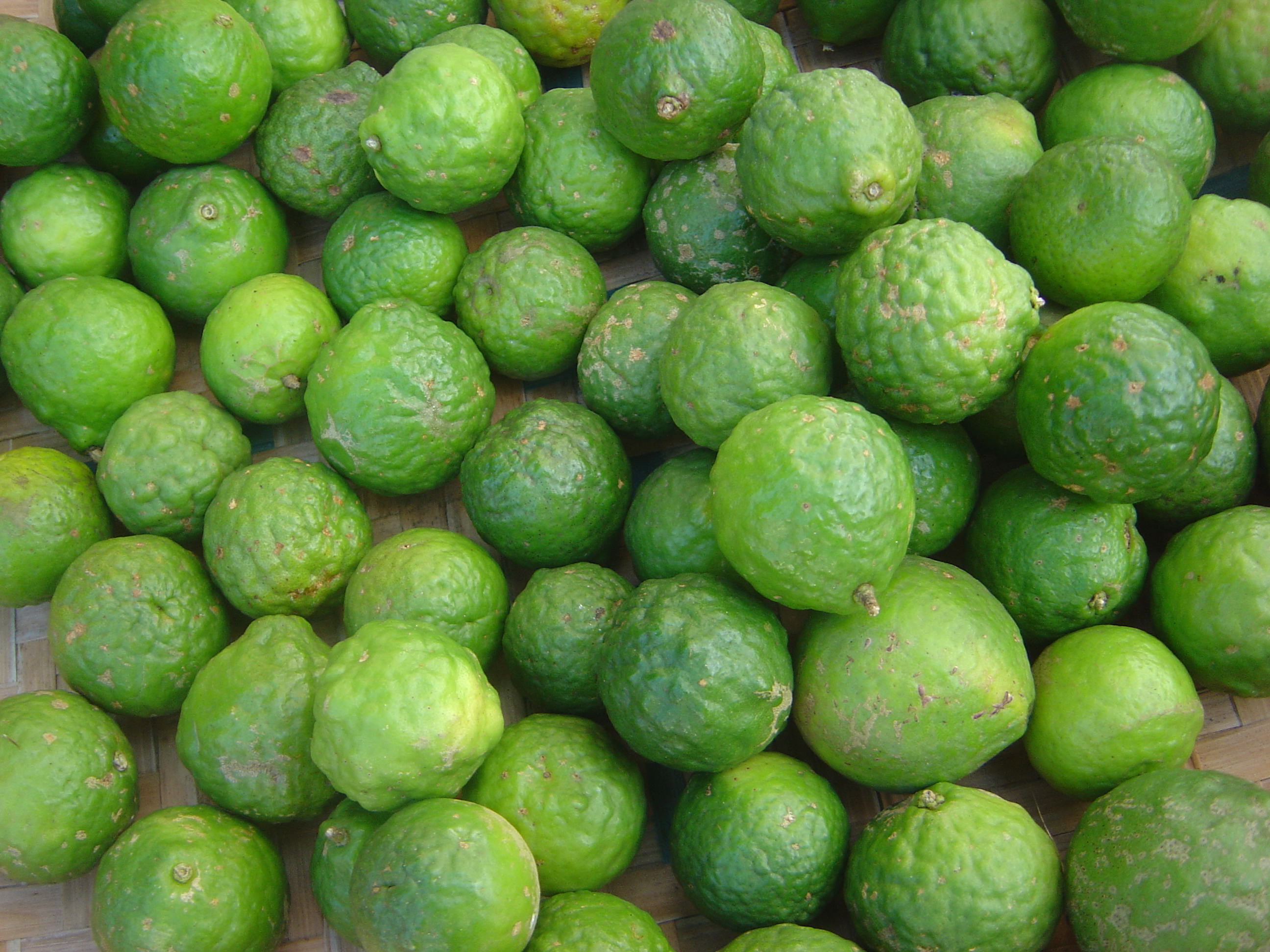
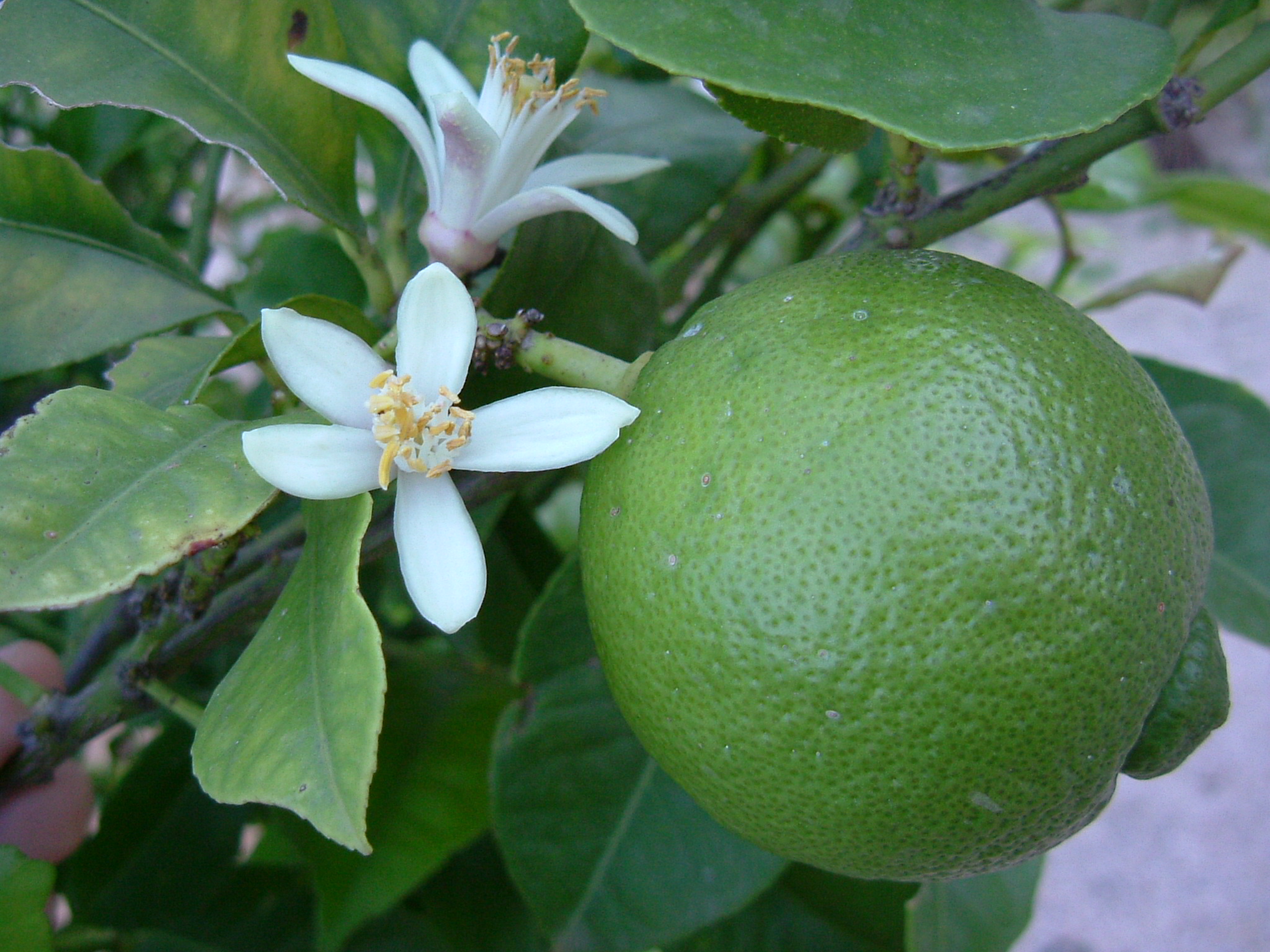
A lime is the fruit of several species of citrus, most of which are hybrids within the genus Citrus (family Rutaceae). Limes are generally small, round to oval fruits with green flesh and skin and a distinctly sour taste due to their high citric acid content. They are widely cultivated in tropical and subtropical regions for culinary, medicinal, and ornamental purposes. The term "lime" is used for a variety of citrus fruits, including the Key lime (Citrus × aurantiifolia), Persian lime (Citrus × latifolia), Makrut lime (Citrus hystrix), finger lime (Citrus australasica), blood lime (hybrid), and desert lime among others. Limes are a rich source of vitamin C and are used to accent the flavours of foods and beverages. In 2023, world production of limes (combined with lemons) was 23.6 million tonnes, led by India and Mexico.
Read more on Wikipedia >