
Shakespeare, William, 1564-1616. King Lear
Enlarge text Shrink text-
 Title
Title

-
Save successfulThe item can be found in your Personal ZoneשגיאהLog in to your account to save

- His Shakespeare's The tragedie of King Lear, 1927:t.p. (Shakespeare's The tragedie of King Lear)


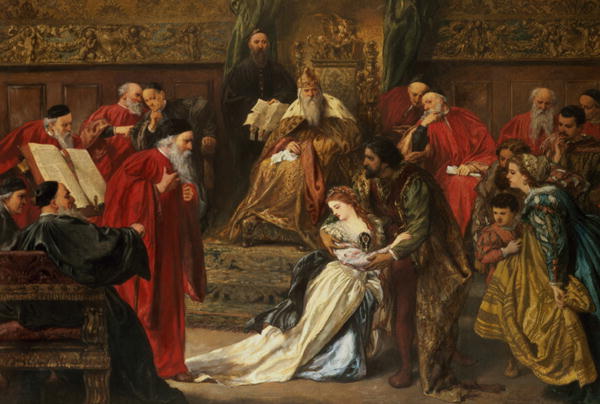


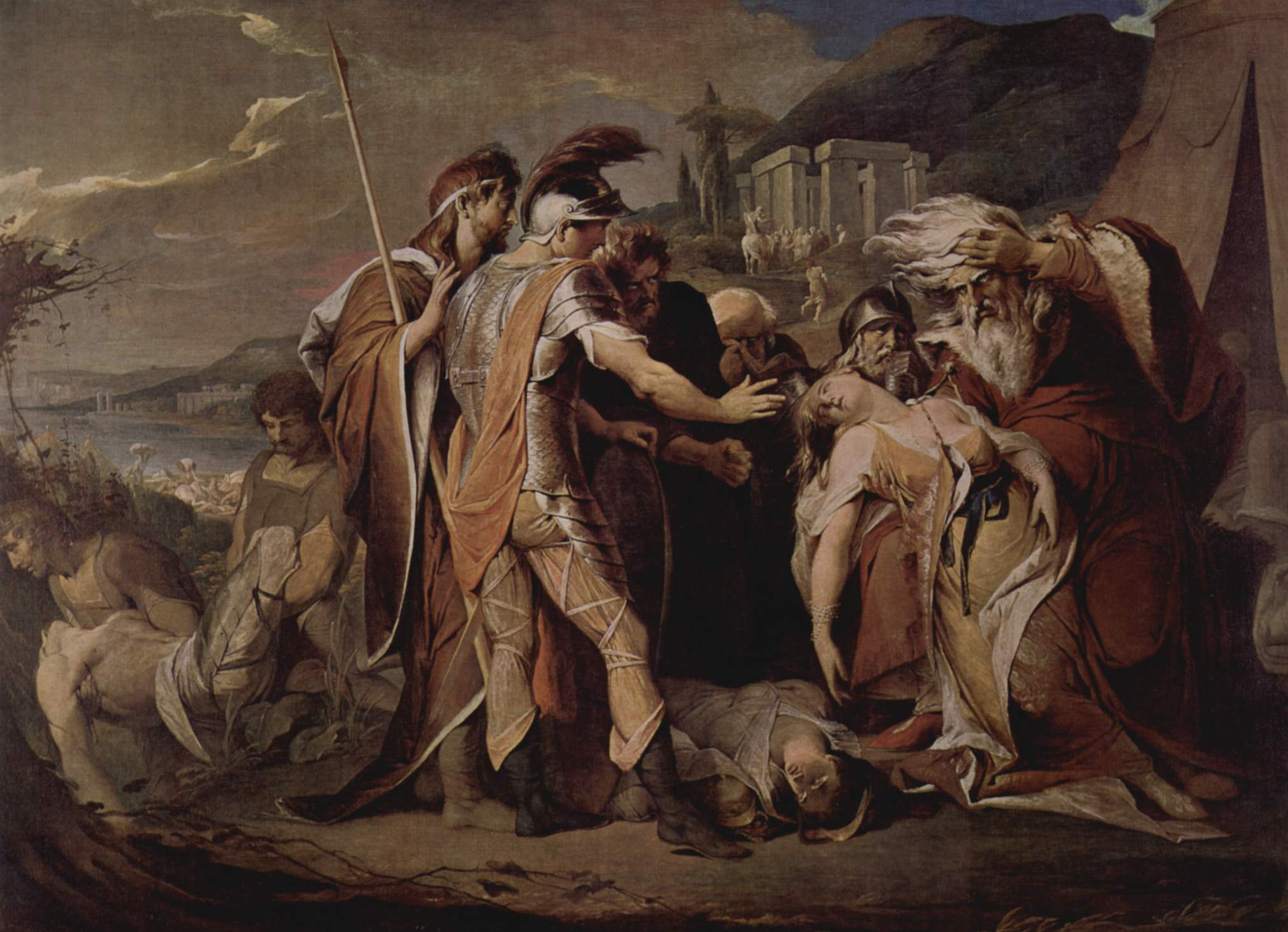


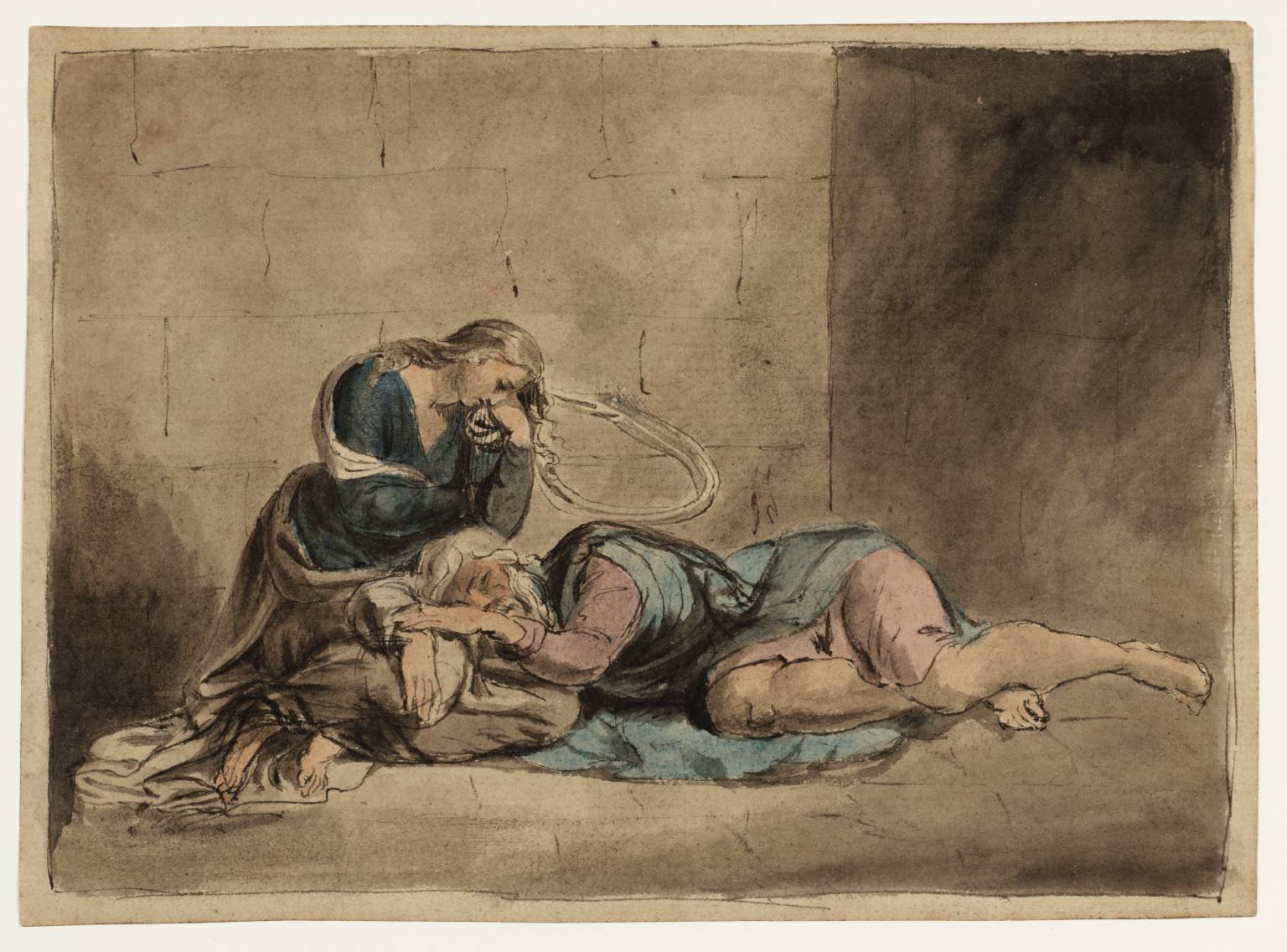
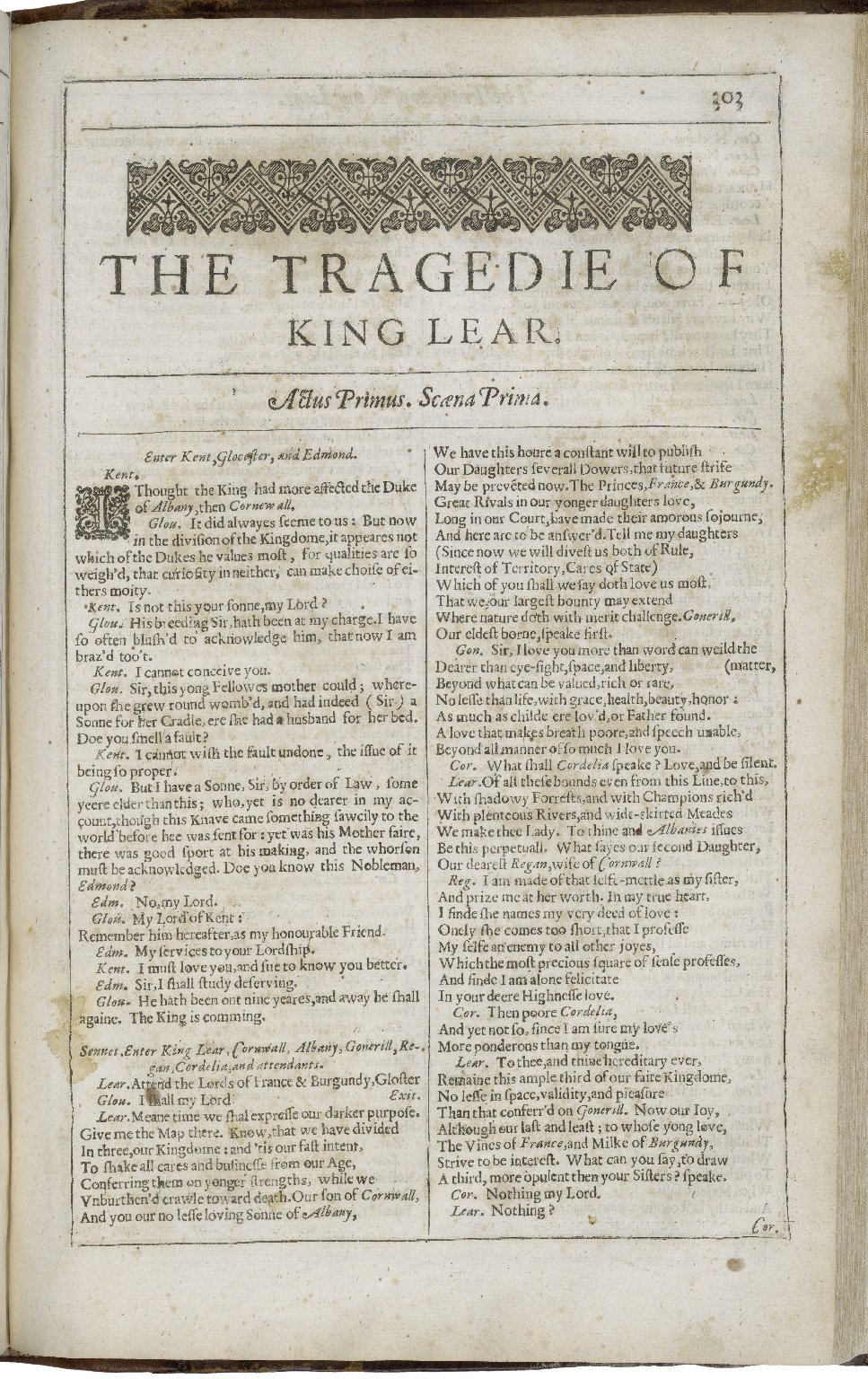
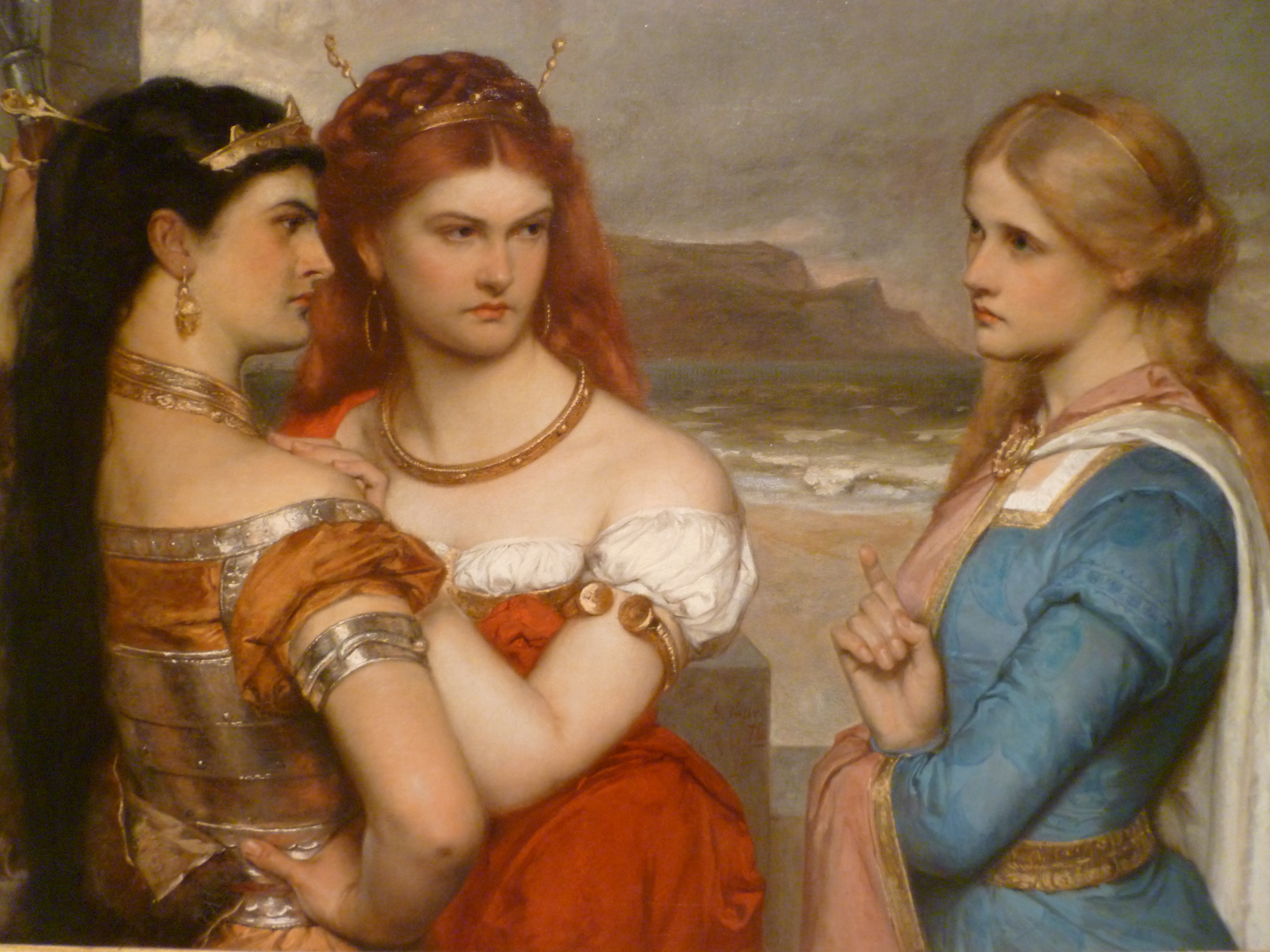
The Tragedy of King Lear, often shortened to King Lear, is a tragedy written by William Shakespeare in late 1605 or early 1606. Set in pre-Roman Britain, the play depicts the consequences of King Lear's love-test, in which he divides his power and land according to the praise of his daughters. The play is known for its dark tone, complex poetry, and prominent motifs concerning blindness and madness. The earliest known performance was on Saint Stephen's Day in 1606. Modern editors derive their texts from three extant publications: the 1608 quarto (Q1), the 1619 quarto (Q2, unofficial and based on Q1), and the 1623 First Folio. The quarto versions differ significantly from the folio version. In 1681, after the English Restoration, Nahum Tate produced a revised version with a romantic subplot and a less bleak ending. This version displaced Shakespeare's from the professional stage until 1838. However, since then, Shakespeare's original play has come to be regarded as one of his supreme achievements. In his A Defence of Poetry (1821), Percy Bysshe Shelley called King Lear "the most perfect specimen of the dramatic art existing in the world", and the play is regularly cited as one of the greatest works of literature ever written.
Read more on Wikipedia >