
Jude, Saint
Enlarge text Shrink text-
 Personality

-
Save successfulThe item can be found in your Personal ZoneשגיאהLog in to your account to save

- Finley, M. Heavenly helpers, c1994:CIP introd. (St. Jude; listed as apostle of Jesus in Luke, Acts, Matthew, Mark; known also as: Jude the Obscure, Judas, Thaddaeus, Thaddeus, St. Jude Thaddeus)
 Saint Jude Thaddée 1620 - Georges de La Tour Inv.166.jpg)





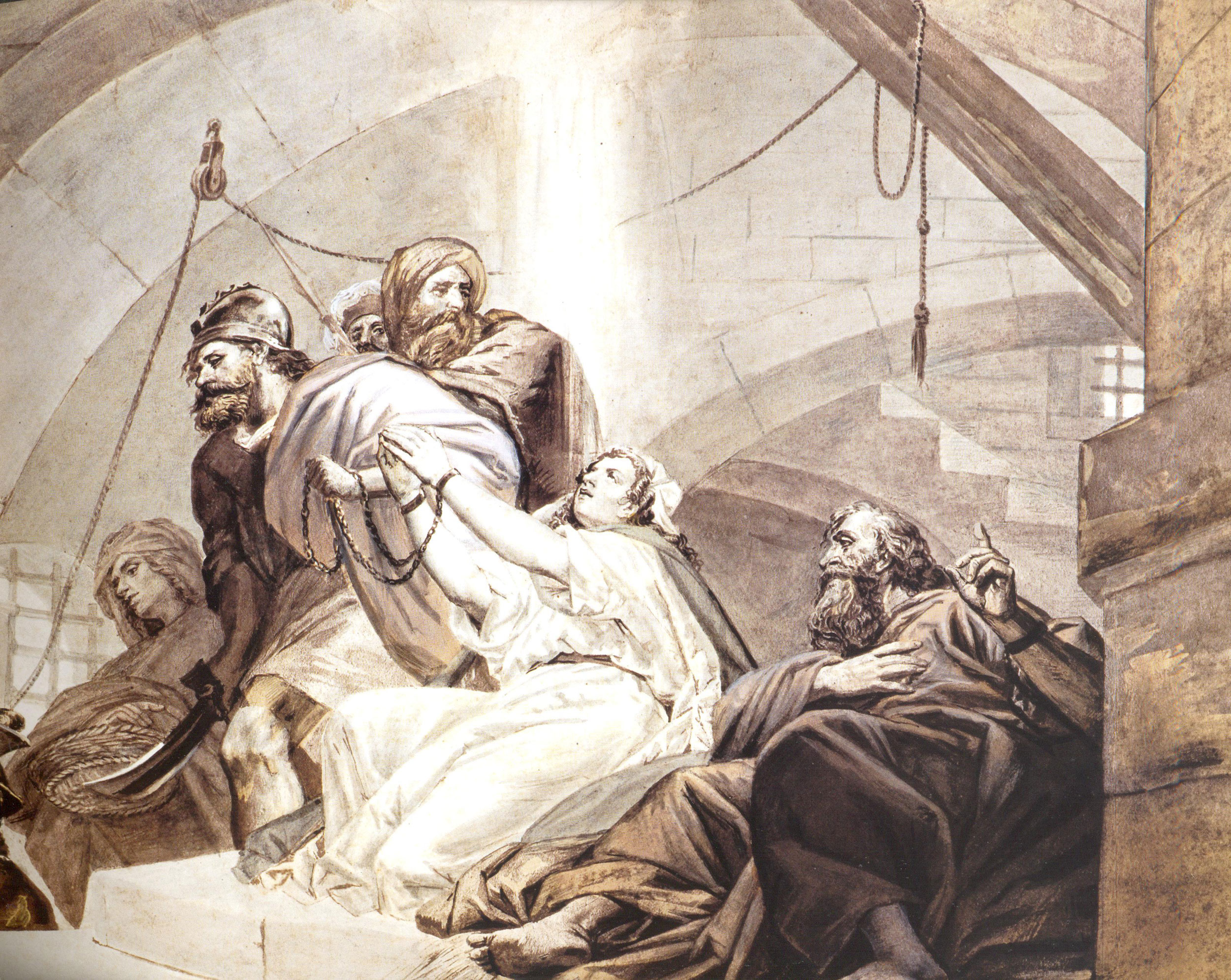
Fusaro (19th cent.)
, Public domain

Jude the Apostle (Ancient Greek: Ἰούδας Ἰακώβου translit. Ioúdas Iakóbou Syriac/Aramaic: ܝܗܘܕܐ translit. Yahwada) was one of the Twelve Apostles of Jesus according to the New Testament. He is generally identified as Thaddeus (Ancient Greek: Θαδδαῖος; Armenian: Թադեոս; Coptic: ⲑⲁⲇⲇⲉⲟⲥ) and is also variously called Judas Thaddaeus, Jude Thaddaeus, Jude of James, or Lebbaeus. He is sometimes identified with Jude, the brother of Jesus, but is clearly distinguished from Judas Iscariot, the disciple who betrayed Jesus prior to his crucifixion. Catholic writer Michal Hunt suggests that Judas Thaddaeus became known as Jude after early translators of the New Testament from Greek into English sought to distinguish him from Judas Iscariot and subsequently abbreviated his forename. Most versions of the New Testament in languages other than English and French refer to Judas and Jude by the same name. The Armenian Apostolic Church honors Thaddeus along with Saint Bartholomew as its patron saints. In the Catholic Church, he is the patron saint of desperate cases and lost causes. Jude Thaddeus is commonly depicted with a club. He is also often shown in icons with a flame around his head. This represents his presence at Pentecost, when he received the Holy Spirit with the other apostles. Another common attribute is Jude holding an image of Jesus, known as the Image of Edessa. In some instances, he may be shown with a scroll or a book (the Epistle of Jude) or holding a carpenter's rule.
Read more on Wikipedia >