
Chen, Jiongming, 1878-1933
Enlarge text Shrink text-
 Personality

-
Save successfulThe item can be found in your Personal ZoneשגיאהLog in to your account to save

- Chʻen Ching-tsʻun hsien sheng nien pʻu, 1980? (subj.)t.p. (Chʻen Ching-tsʻun) p. 2 (also named Chʻen Chiung-ming; b. 1877) p. 39 (d. 1933)
- Biog. dict. of Rep. Chi. 1967-1971(under Chʻen Chiung-ming; variant names: Chʻen Ching-tsʻun, Chʻen Chieh, Chʻen Tsan-san)
- Letter from Leslie H. Chen dated 06-01-99: The dates of my father (Chʻen Chiung-ming) ... is incorrect. The correct dates are 1878-1933.


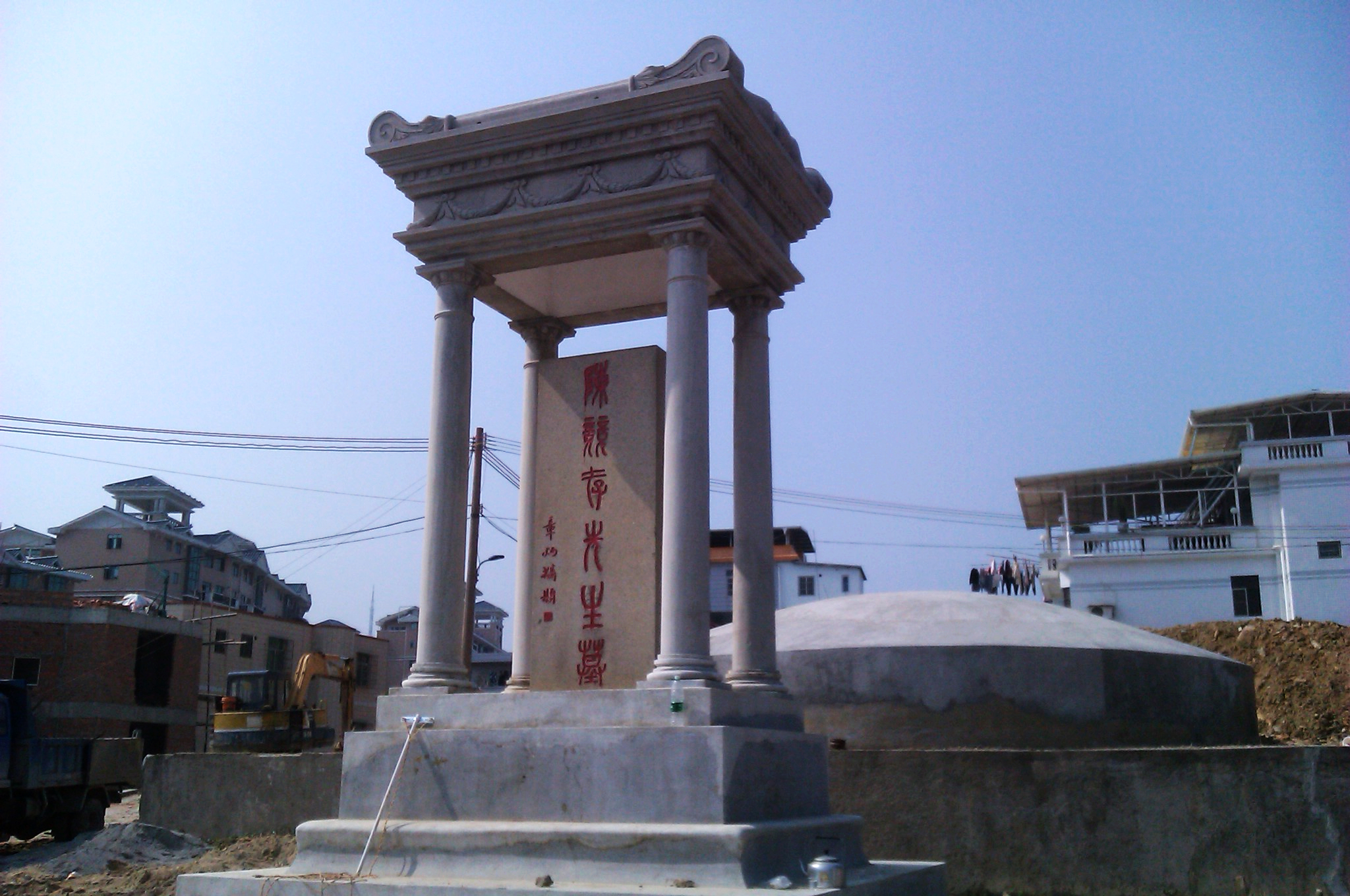

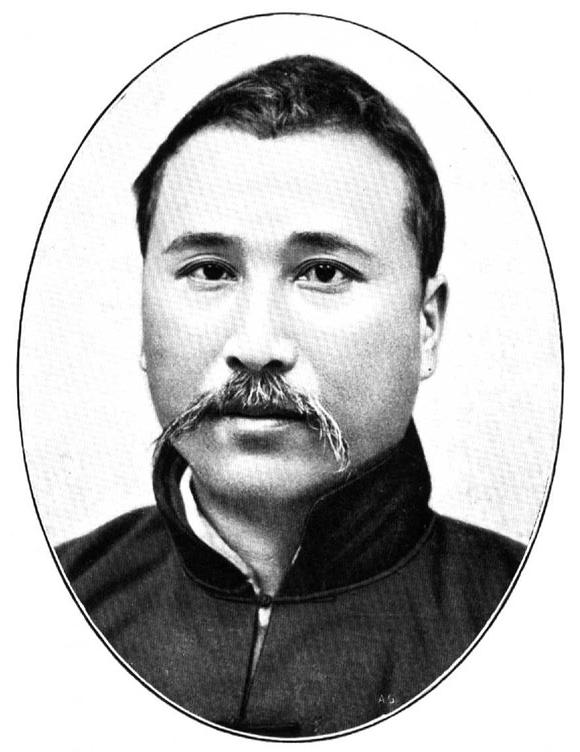
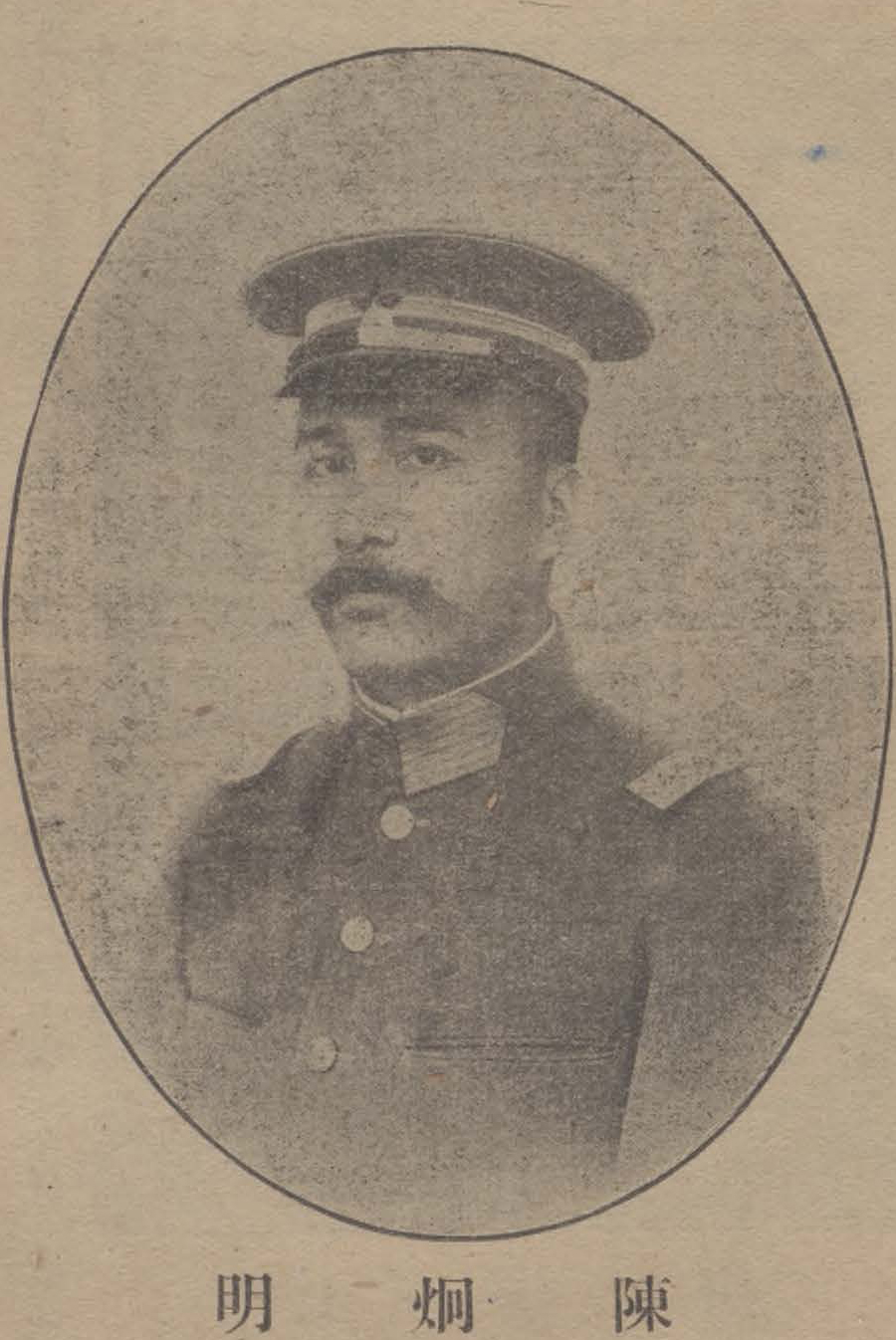
Chen Jiongming (Chinese: 陳炯明; pinyin: Chén Jiǒngmíng; Wade–Giles: Ch'en Chiung-ming; 18 January 1878 – 22 September 1933) was a Chinese statesman, military leader, and revolutionary who was a key figure in the federalist movement during the Warlord Era of the Republic of China. An early revolutionary against the Qing dynasty, he served as civil governor of Guangdong province from 1920 to 1922 and commander-in-chief of the Guangdong Army. His vision of a democratic China, unified peacefully through a federal system, ultimately brought him into conflict with Sun Yat-sen, who favoured a centralized state unified by military force. Born in Haifeng, Guangdong, Chen was educated in law and politics before joining the revolutionary Tongmenghui. He was elected to the Guangdong Provincial Assembly in 1909, where he became a prominent reformer, and played a pivotal role in the Xinhai Revolution in Guangdong. As an administrator in southern Fujian (1918–1920) and later as governor of Guangdong, Chen initiated wide-ranging social, political, and economic reforms aimed at modernizing the region and establishing democratic institutions. His administration in Guangdong, which established Canton as China's first modern municipality and enacted a provincial constitution, was intended to be a model for a future federated China. Chen's federalist ideals and "anarcho-federalist blueprint" for reform led to an irrevocable break with Sun Yat-sen, culminating in the June 16 Incident of 1922, which saw Chen's forces surround the Presidential Palace in Canton. The incident precipitated Sun's turn towards an alliance with the Soviet Union and a reorganization of the Kuomintang (KMT) along Leninist lines. Consequently, Chen was vilified in both KMT and later Communist historiography as a counter-revolutionary warlord. Defeated by KMT forces backed by Soviet arms and advisers, Chen spent his later years in British Hong Kong, where he co-founded the China Zhi Gong Party and continued to advocate for federalism until his death in 1933. While his historical portrayal remains contested, many contemporary and modern scholars recognize him as a progressive idealist and a proponent of a democratic, federal China, viewing his federalist movement as a significant, constitutive part of the New Culture and May Fourth Movements.
Read more on Wikipedia >