
Niẓāmuddīn Auliyā, 1236-1325
Enlarge text Shrink text-
 Personality

-
Save successfulThe item can be found in your Personal ZoneשגיאהLog in to your account to save

- Farrūk̲h̲ī, Aslam. Niẓām-i rang, 1988:t.p. (Sult̤ānulmashāʼik̲h̲ Niẓāmuddīn Auliyā Maḥbūb-i Ilāhī) p. 10 (K̲h̲vājah Muḥammad) p. 19 (K̲h̲vājah Niẓāmuddīn)
- New Delhi manual auth. cd.(hdg.: Nizam al-Din Awliya, d. 1324?)
- Beale, T.W. An Oriental bio. dic., 1971:p. 302 (Nizam-uddin Aulia, Shaikh, b. Oct. 1236, d. 4/3/1325)
- Shān-i Maḥbūb-i Ilāhī, 2001:t.p. (Sayyid K̲h̲vājah Niẓāmuddīn Maḥbūb-i Ilāhī)
- The life and times of Shaikh Nizam-u'd-din Auliya, 2007:t.p. (Shaikh Nizam-u'd-din Auliya)


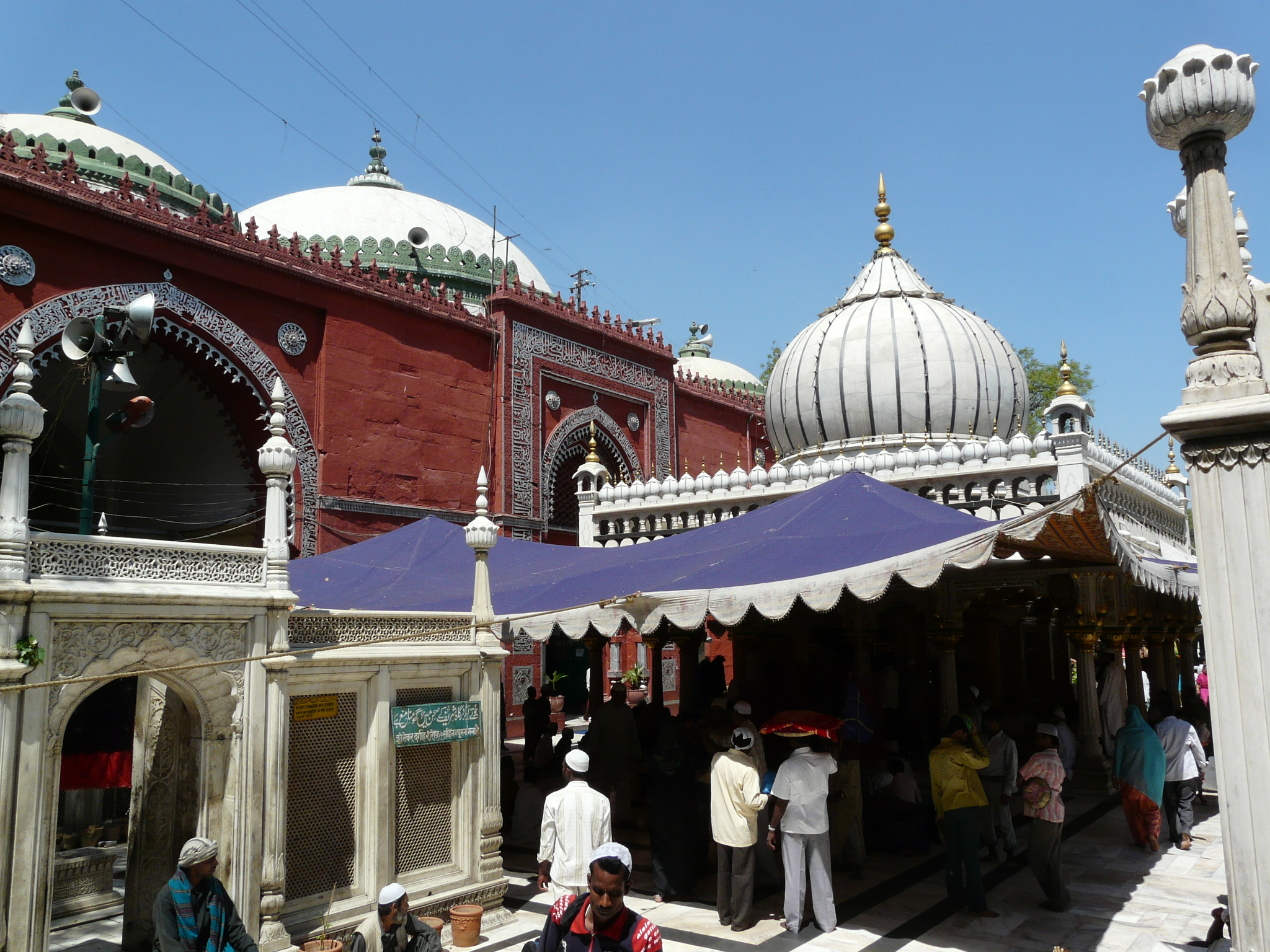
Khawaja Syed Muhammad b. Ahmad Ali al-Badaoni al-Bukhari, popularly called Nizamuddin Auliya (sometimes spelled Awliya; 1238 – 3 April 1325), also known as Hazrat Nizamuddin (lit. 'Holy Nizamuddin'), Sultan-ul-Mashaikh (lit. 'Lord of the pious') and Mahbub-e-Ilahi (lit. 'Beloved of God'), was an Indian Sunni Muslim scholar, Sufi saint of the Chishti Order, and is one of the most famous Sufis from the Indian subcontinent. His predecessors were Fariduddin Ganjshakar, Qutbuddin Bakhtiyar Kaki, and Moinuddin Chishti, who were the masters of the Chishti spiritual chain or silsila in the Indian subcontinent. Nizamuddin Auliya, like his predecessors, stressed love as a means of realising God. For him his love of God implied a love of humanity. His vision of the world was marked by a highly evolved sense of religious pluralism and kindness. It is claimed by the 14th century historiographer Ziauddin Barani that his influence on the Muslims of Delhi was such that a paradigm shift was effected in their outlook towards worldly matters. People began to be inclined towards mysticism and prayers and remaining aloof from the world. It is also believed that Ghiyasuddin Tughlaq, the founder of Tughluq dynasty, interacted with Nizamuddin. Initially, they used to share good relationship but soon this got embittered and relation between Ghiyas-ud-din Tughluq and Nizamuddin Auliya never been reformed due to opinion disharmony and their antagonism resulted regular disputes between them during that era.
Read more on Wikipedia >