
Minamoto, Yoshitsune, 1159-1189
Enlarge text Shrink text-
 Personality

-
Save successfulThe item can be found in your Personal ZoneשגיאהLog in to your account to save

- Gikeiki,Yoshitsune, 1966.
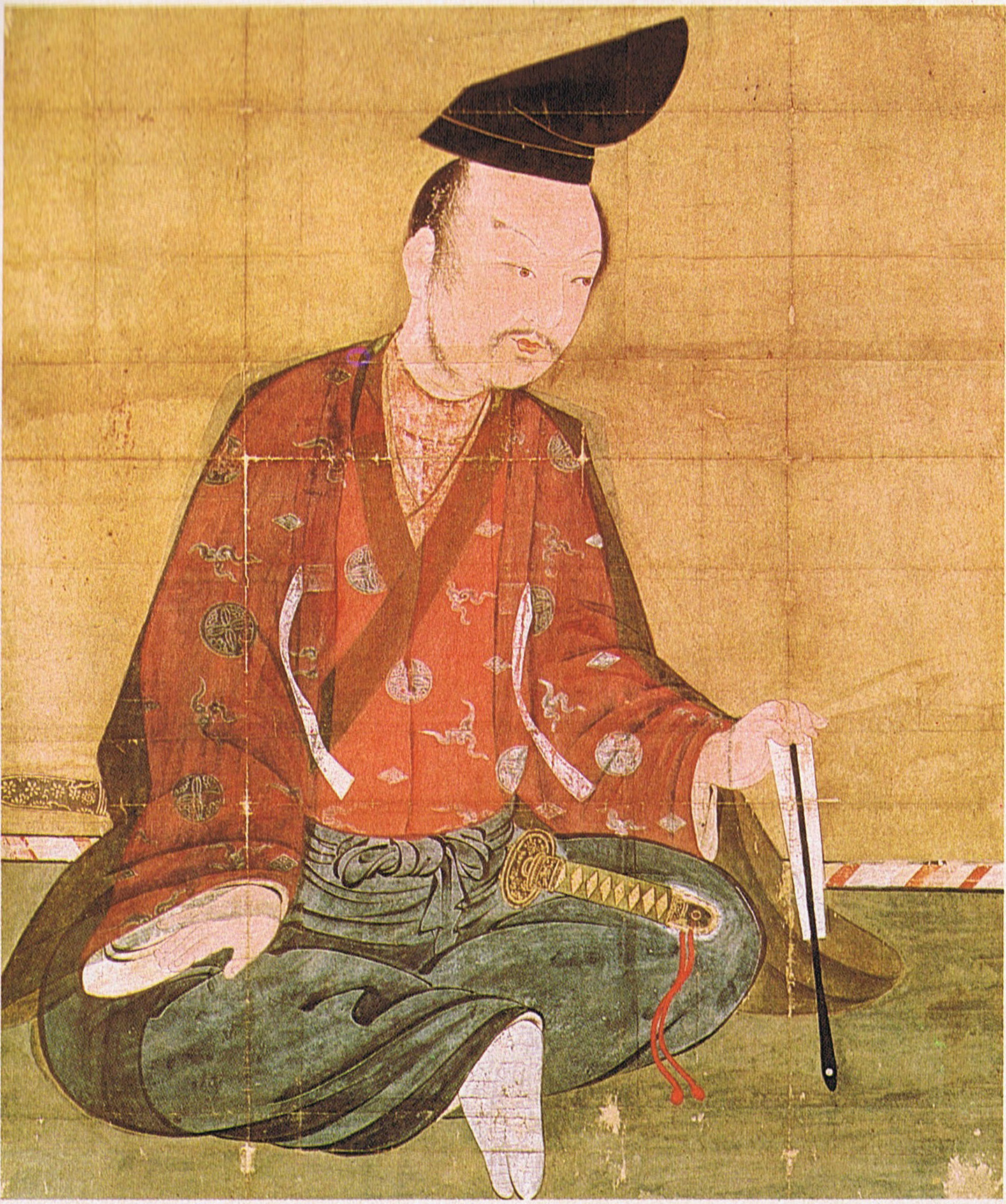
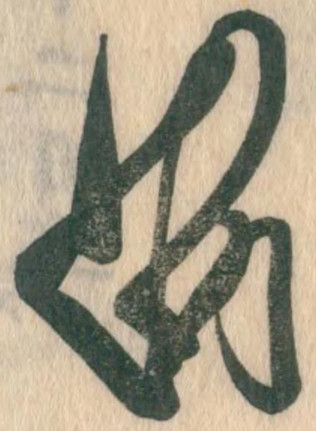


Minamoto no Yoshitsune (源 義経; Japanese pronunciation: [mʲi.na.mo.to no (|) jo.ɕi̥.tsɯꜜ.ne], c. 1159 – June 15, 1189) was a commander of the Minamoto clan of Japan in the late Heian and early Kamakura periods. He was the younger half-brother of Minamoto no Yoritomo, the first shogun of the Kamakura shogunate, and was the ninth son of his father. His common name was Kurō, and his formal name was Yoshitsune. Born as the ninth son of Minamoto no Yoshitomo of the Kawachi Genji clan, his childhood name was Ushiwakamaru. Due to his father's defeat and death in the Heiji Rebellion, he was entrusted to Kurama-dera temple. He later traveled down to Hiraizumi, where he received the protection of Fujiwara no Hidehira, the head of the Ōshū Fujiwara clan. When his brother Yoritomo raised an army to overthrow the Taira clan (the Jishō-Juei War), Yoshitsune rushed to join him. He became the greatest contributor to the Minamoto victory, destroying the Taira clan through the battles of Ichi-no-Tani, Yashima, and Dan-no-ura. Although Yoritomo and Yoshitsune initially had a close relationship, described as being like "father and son," Yoshitsune incurred Yoritomo's wrath by accepting court titles without permission and acting independently during the war against the Taira. When Yoshitsune showed signs of seeking his own independence in response, he came into conflict with Yoritomo and was declared an enemy of the court. After an order for his capture was issued nationwide, he fled and once again sought refuge with Fujiwara no Hidehira. However, after Hidehira's death, Hidehira's successor, Fujiwara no Yasuhira, under pressure from Yoritomo, attacked Yoshitsune. He was forced to commit suicide at the Koromogawa-no-tachi mansion in what is now Hiraizumi, Iwate Prefecture. He is considered one of the greatest and the most popular warriors of his era, and one of the most famous samurai in the history of Japan. and was later labelled as a tragic hero. His tragic end drew great sympathy from the public, giving rise to the term hōganbiiki (sympathy for the underdog, from one of Yoshitsune's titles, Hōgan), as well as numerous legends and stories.
Read more on Wikipedia >