
Ibn Faḍlān, Aḥmad, active 922
Enlarge text Shrink text-
 Personality

-
Save successfulThe item can be found in your Personal ZoneשגיאהLog in to your account to save

- LC data base, 5-31-84(Ibn Faḍlān, Aḥmad, fl. 922)
- His İbn Fazlan Seyahatnâmesi tercümesi, 1975:t.p. (İbn Fazlan) plates (Ibn Faḍlān; Ibn Fadlân [in rom.]; Akhmed ibn-Fadlan)
- LCN: Ibn Fadlan, Ahmad, fl. 922
- Togan, A.Z.V. Ibn Faḍlān's Reisebericht, 1966:t.p. (Ibn Faḍlān) p. 1 (Aḥmad ibn Faḍlān, ibn al-ʻAbbās, ibn Rāšid, ibn Ḥammād)
- Ibni Fazlăn Sayahătnamisi, 2001:title page verso (伊本 怕孜兰 = Yiben Fazilan)
- ספר: מבגדאד אל גדות הוולגה : מסע אבן פדלאן אל ארץ הבולגארים, 2019:(אחמד אבן פדלאן)


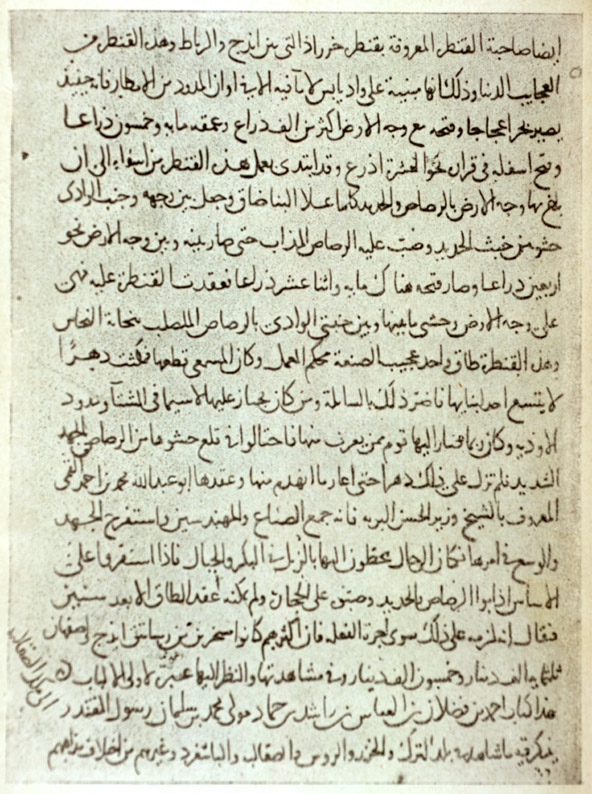
Ahmad ibn Fadlan ibn al-Abbas al-Baghdadi (Arabic: أحمد بن فضلان بن العباس بن راشد بن حماد, romanized: Aḥmad ibn Faḍlān ibn al-ʿAbbās al-Baghdādī) or simply known as Ibn Fadlan, was a 10th-century Arab traveler from Baghdad, Abbasid Caliphate, famous for his account of his travels as a member of an embassy of the Abbasid caliph al-Muqtadir to the king of the Volga Bulgars, known as his risāla ("account" or "journal"). His account is most notable for providing a detailed description of the Volga Vikings, including eyewitness accounts of life as part of a trade caravan and witnessing a ship burial. He also notably described the lifestyle of the Oghuz Turks while the Khazars, Cumans, and Pechenegs were still around. Ibn Fadlan's detailed writings have been cited by numerous historians. They have also inspired works of fiction, including Michael Crichton's novel Eaters of the Dead and the novel's subsequent film adaptation The 13th Warrior.
Read more on Wikipedia >