
Caterers and catering
Enlarge text Shrink text-
 Topic
Topic

-
Save successfulThe item can be found in your Personal ZoneשגיאהLog in to your account to save


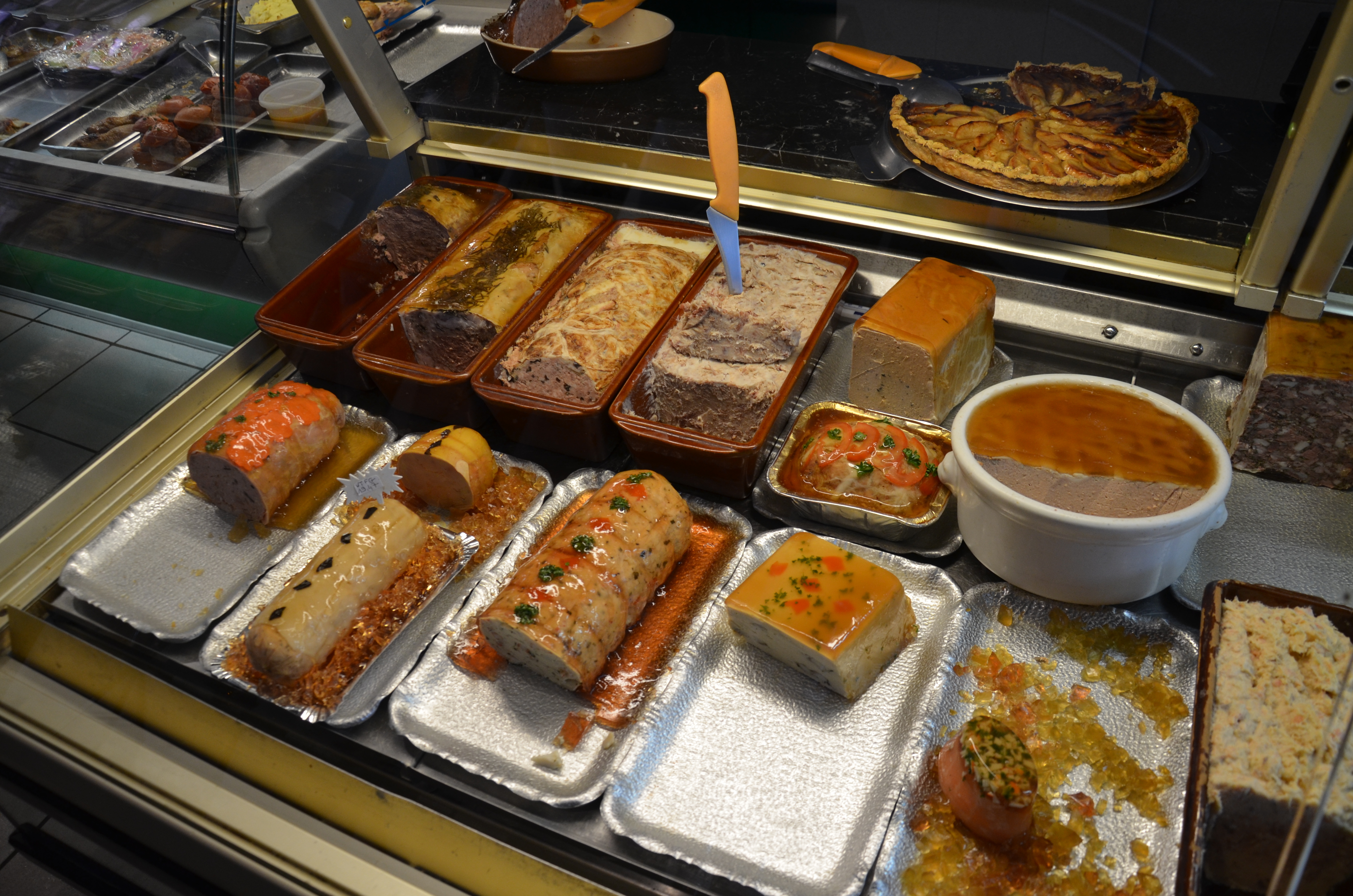
A traiteur (; French: [tʁɛ.tœʁ]) is a French food-seller, whose places of business were arguably the precursors of the modern restaurant. Prior to the late 18th century, diners who wished to "dine out" could dine at a traiteur's, or order meals to go. The cooks and caterers guild – informally known as the traiteurs – progressively claimed the right to make any sophisticated meals, leaving inns and taverns to mainly make roast or grilled meat. As of the late seventeenth century, many offered a table d'hôte, a meal offered at a set price with no choice of dishes. However both cabarets and traiteurs could also offer individual choice of dishes, despite claims to the contrary. In modern France, the word often refers to a caterer. Traiteur is an agent noun formed from the verb traiter ('treat'), which literally refers to the action of "treating" someone to something (for instance, a meal). The root of the verb is Latin tractare ('manage, handle'), a frequentative of trahere ('pull, draw'): in ancient times, for example, Latins used the expression littera tractoria (roughly rendered as 'treatment letter') to indicate a document the envoys of a prince would be given to receive food, accommodation and means of transport in the lands they would pass by, so to get a full treatment along their way. This Latin root originated both French traiteur and Italian trattoria.
Read more on Wikipedia >