
Pupin, Michael, 1858-1935
Enlarge text Shrink text-
 Personality

-
Save successfulThe item can be found in your Personal ZoneשגיאהLog in to your account to save

- His Thermodynamics of reversible cycles in gases and saturated vapors ... 1892.
- Univerzitetska biblioteka "Svetozar Marković." Poklon Mihajla Pupina Univerzitetskoj biblioteci, 1981:t.p. (... Mihajla Pupina)
- LCCN 04-30895: His Thermodynamics of reversible cycles in gases and saturated vapors, 1894(hdg.: Pupin, Michael Idvorsky, 1858-1935; usage: M.I. Pupin
- Život i delo Mihajla Idvorskog Pupina, 1985:p. 39 (Pupin's first name was written in the original Old Church Slavic alphabet as Mihail, so that in the new alphabet in Serbo-Croatian the use of both variants is possible: Mihailo and Mihajlo; Pupin personally preferred Mihajlo. Pupin wasborn 10/9/1854)
, Physicist (2551884992) (deriv).jpg)


N. A.
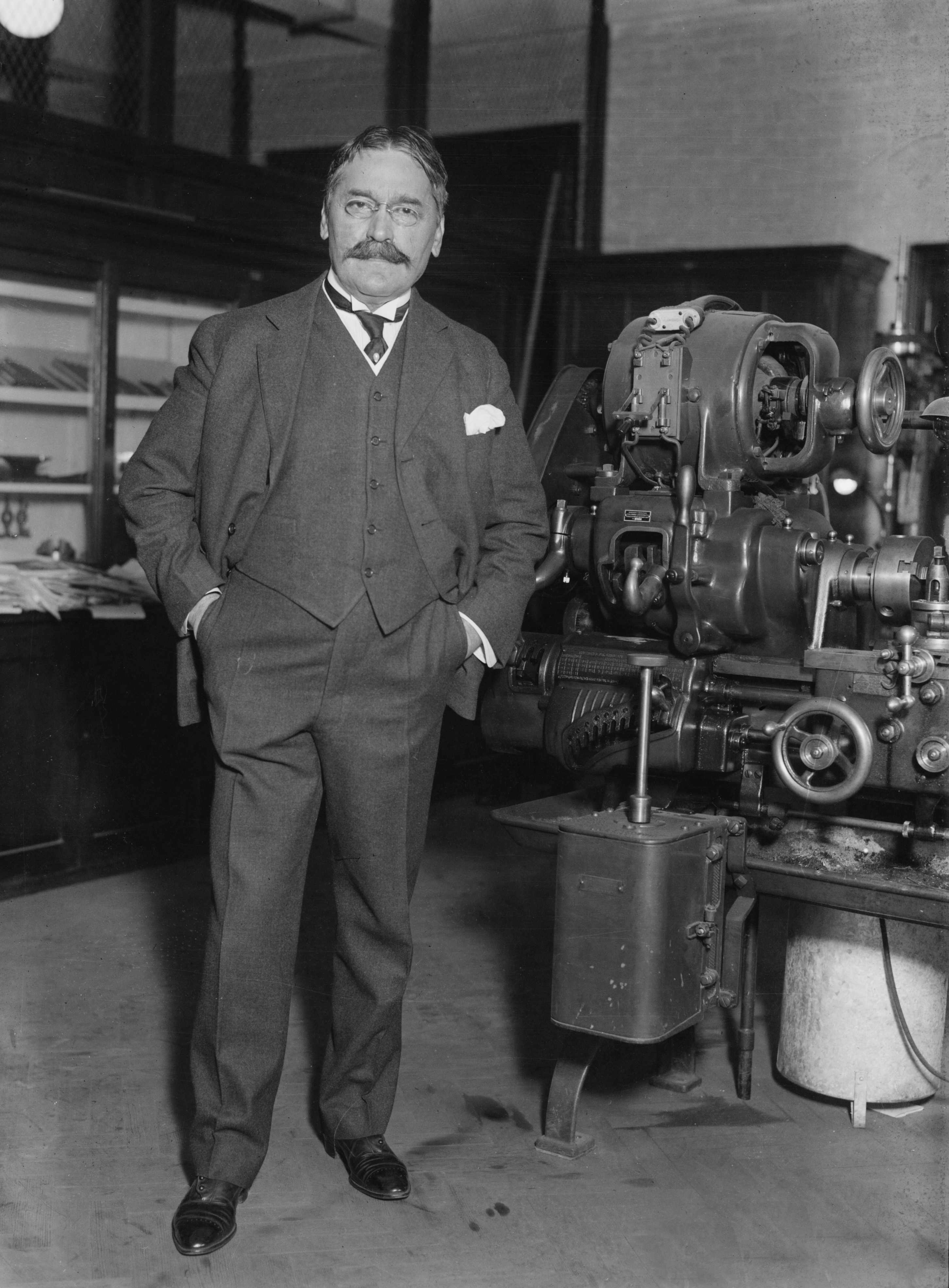


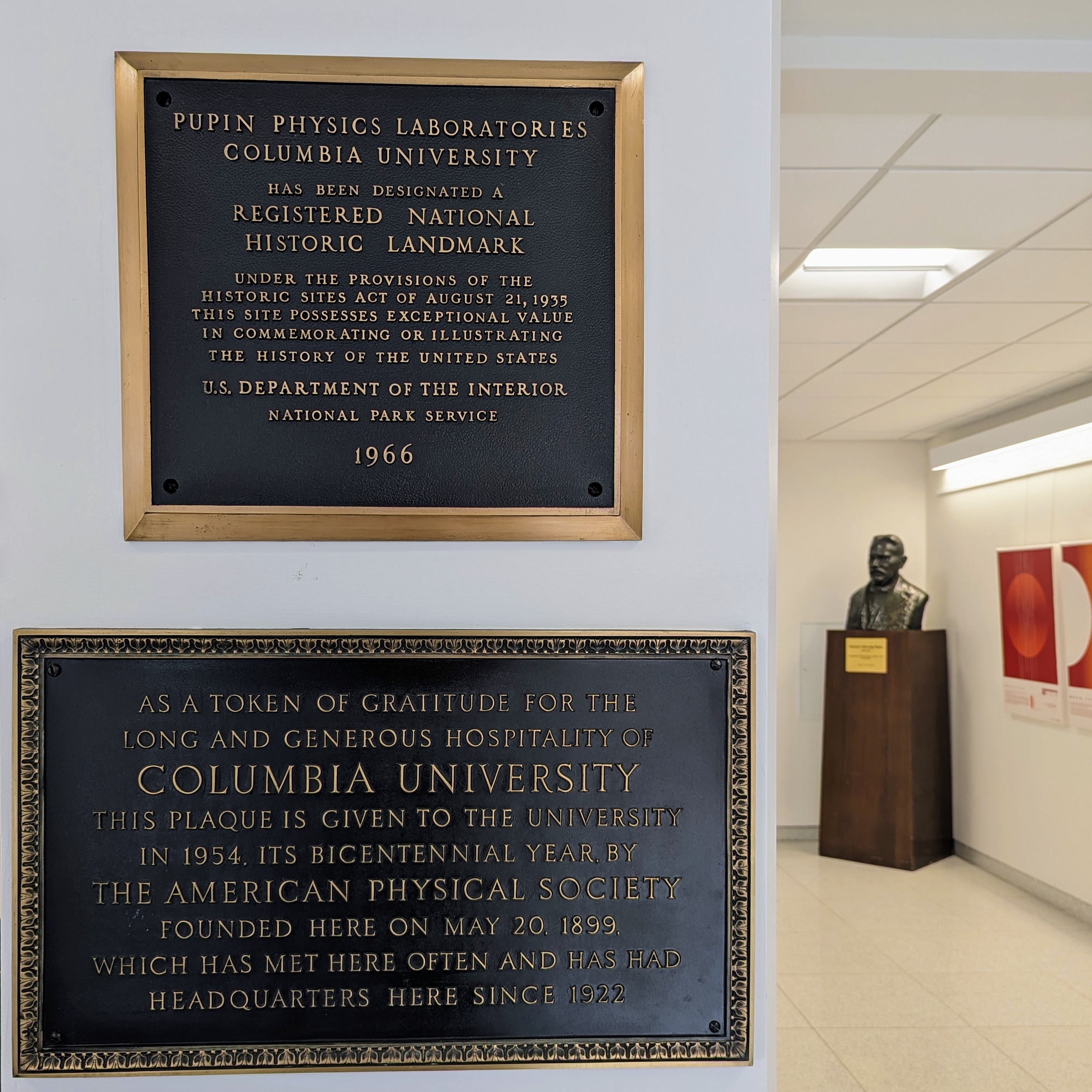

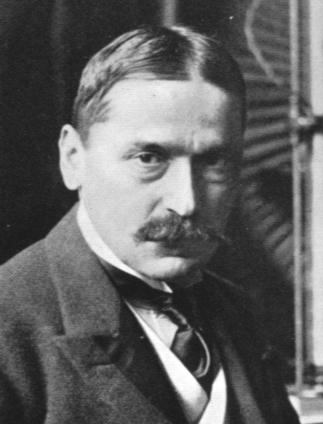
Mihajlo Idvorski Pupin (Serbian Cyrillic: Михајло Идворски Пупин, pronounced [miˈxǎjlo ˈîdʋoɾski ˈpǔpin]; October 4, 1858 – March 12, 1935), also known as Michael Pupin, was a Serbian-American electrical engineer, physicist and inventor. Pupin is best known for his numerous patents, including a means of greatly extending the range of long-distance telephone communication by placing loading coils (of wire) at predetermined intervals along the transmitting wire (known as "pupinization"). Pupin was a founding member of National Advisory Committee for Aeronautics (NACA) on 3 March 1915, which later became NASA, and he participated in the founding of American Mathematical Society and American Physical Society. In 1924, he won a Pulitzer Prize for his autobiography. Pupin was elected president or vice-president of the highest scientific and technical institutions, such as the American Institute of Electrical Engineers, the New York Academy of Sciences, the Radio Institute of America, and the American Association for the Advancement of Science. He was also an honorary consul of Serbia in the United States from 1912 to 1920 and played a role in determining the borders of newly formed Kingdom of Serbs, Croats and Slovenes.
Read more on Wikipedia >