
Näsimi, approximately 1369-approximately 1418
Enlarge text Shrink text-
 Personality

-
Save successfulThe item can be found in your Personal ZoneשגיאהLog in to your account to save

- Andalyp, N. Nesimi, 1978:t.p. (Nesimi) added t.p. (Nasīmī) p. 5, etc. (Seĭit Ymadeddin Nesimi, d. 1417)
- LC data base, 6-7-85(hdg.: Nesimi, d. 1404 or 5; usage: Nesimi) LC manual cat. (usage: Imadeddin Nesimi, Seyyid Nesîmî)
- Kratkai︠a︡ literaturnai︠a︡ ėnt︠s︡., 1968:v. 5, p. 246 (Nesimi (Nasimi) Seĭid Imadeddin, b. ca. 1369, Shemakha, Azerb. SSR, d. 1417, Aleppo, Syria; wrote in Turkic, Persian and Arabic langs.)
- Encyc. Brit., 15th(Nesimi, Seyid İmadeddin, d. ca. 1418)
- LC database, 30 Sept. 2005:(hdgs.: Nasīmī, ʻImād al-Dīn, 1369-1404?; Nasimi, Imad al-din, ca. 1369-ca. 1404; Nesimi, ca. 1369-ca. 1418)
- Imadăddin Năsimi, 1972.
- Arasly, Ḣ. Imadăddin Năsimi, 1972:colophon (Имадеддин Насими = Imadeddin Nasimi)
- Nesimi, 2010:page 6 (Emir Seýit Umadutdin Nesimi)
- Dīvān-i ashʻār-i Turkī, 2013:t.p. (سيد عماد الدين نسيمى تبريزى = Sayyid ʻImād al-Dīn Nasīmī Tabrīzī) added t.p. (Seyyid İmadäddin Näsimi [in rom.])

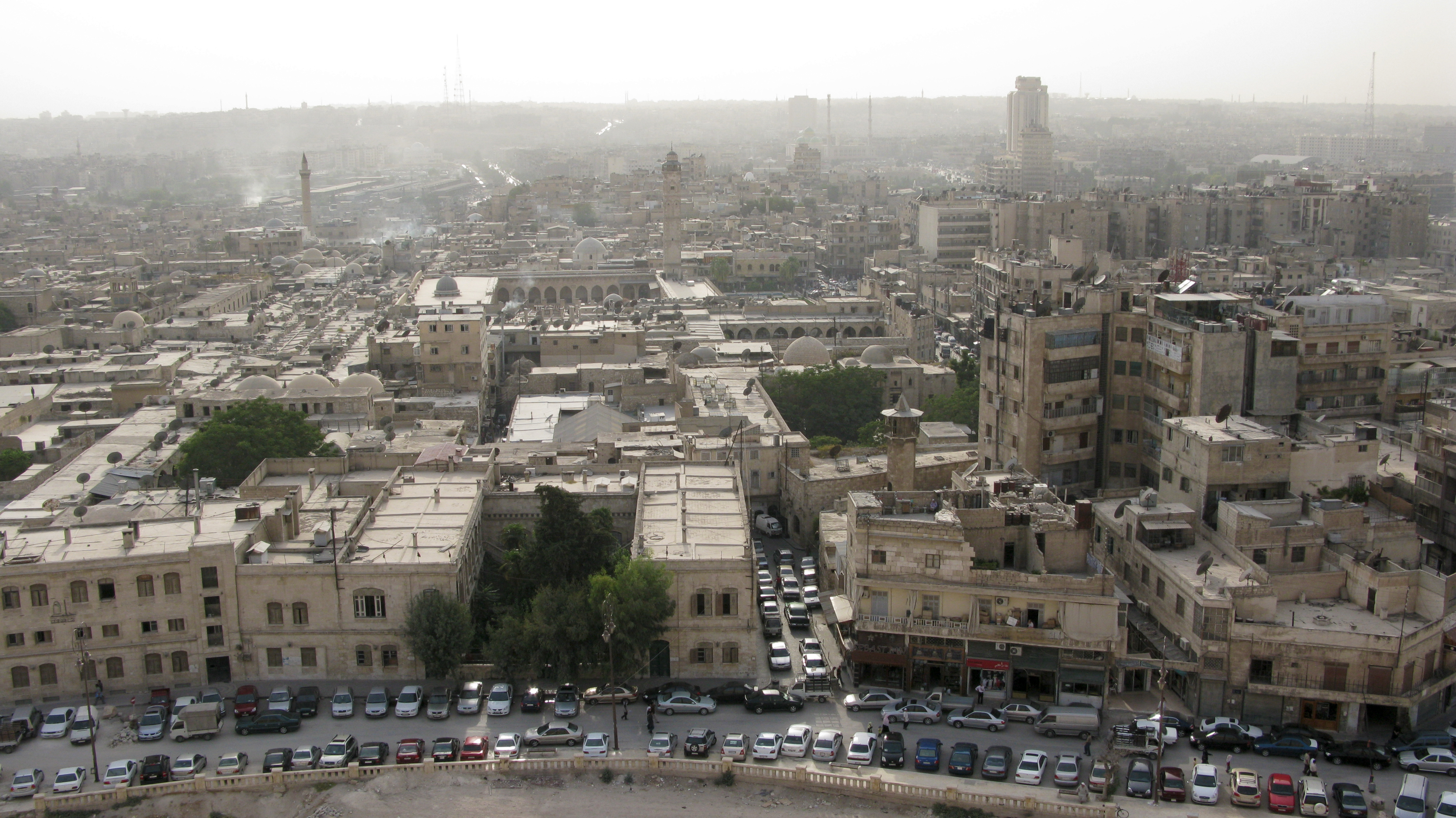


Seyid Ali Imadaddin Nasimi (Azerbaijani: سئید علی عمادالدّین نسیمی, romanized: Seyid Əli İmadəddin Nəsimi; c. 1369/70 – c. 1418/19), commonly known as simply Nasimi (نسیمی, Nəsimi), was a 14th- and 15th-century Hurufi poet who composed poetry in his native Azerbaijani, as well as Persian and Arabic languages. He is regarded as one of the greatest Turkic poets of his time and one of the most prominent figures in Azerbaijani literature. Born around 1369–70, Nasimi received a good education and was drawn to Sufism at an early age. After becoming a faithful adherent of the Hurufism movement, Nasimi left Azerbaijan to spread Hurufism in Anatolia and later Aleppo following the execution of its founder and Nasimi's teacher, Fazlallah Astarabadi. In Aleppo, he gained followers as a Hurufi sheikh but faced resistance from Sunni circles who eventually convinced the Mamluk sultan to order his death for his religious beliefs around 1418–19. Nasimi was executed and buried in a Sufi lodge (takya) in Aleppo. His surviving works include two dīvāns (collections of poems) in Azerbaijani and Persian, along with some poems in Arabic. Nasimi's poems mainly centre around Hurufism and contain many references to Islamic texts. His poetry combines harmonious melodies and easily understood expressions with more complex topics related to religion. Nasimi had great influence on Turkic literature and influenced many major future poets such as Habibi, Haqiqi (pen name of Jahan Shah), Khatai (pen name of Ismail I), among others. He is also considered the founder of Azerbaijani classical ʿarūż poetry (poetry using quantifying prosody) and ghazal poetry (a form of love poetry), as well as the first lyric poet in Oghuz Turkic classic literature.
Read more on Wikipedia >