
Wang, Wei, 701-761
Enlarge text Shrink text-
 Personality

-
Save successfulThe item can be found in your Personal ZoneשגיאהLog in to your account to save

- LCN


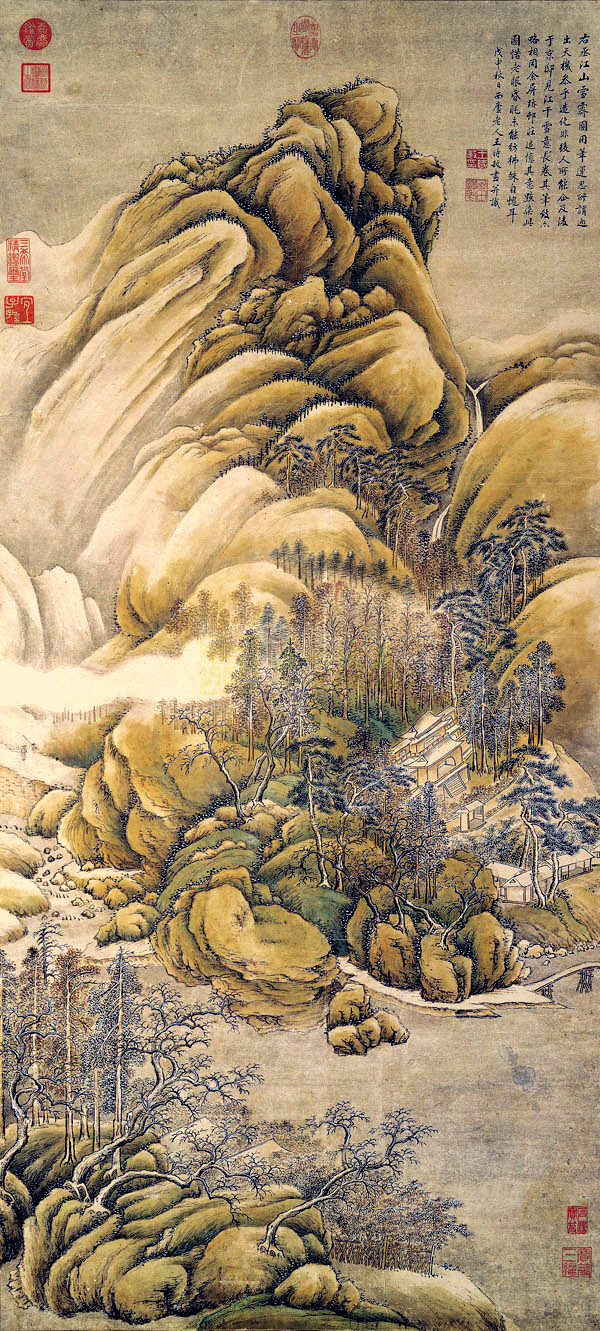


Wang Wei (simplified Chinese: 王维; traditional Chinese: 王維; pinyin: Wáng Wéi; 699–761), courtesy name Mojie, was a Chinese musician, painter, poet, and politician of the middle Tang dynasty. He is regarded as one of the most distinguished men of arts and letters of his era. About 400 of his poems survived and 29 of them are included in the 18th-century anthology Three Hundred Tang Poems. A large portion of his finest poems drew inspirations from the local landscape. Wang Wei is renowned for his dual talents as a nature poet and landscape painter. His poems were originally compiled and edited into a collection by his next-youngest brother, Wang Jin, at imperial command. Of his paintings, no authenticated specimens survive, although there were evidence of his work through influences on later paintings and descriptive accounts. His musical talents were highly regarded; however, no compositions or music notes have been preserved. He had a successful career as an imperial court official. Later in life, he became a devout Chan Buddhist and a vegetarian. He spent ten years studying with Chan master Daoguang.
Read more on Wikipedia >