
Rodney King Riots, Los Angeles, Calif., 1992
Enlarge text Shrink text-
 Topic
Topic

-
Save successfulThe item can be found in your Personal ZoneשגיאהLog in to your account to save

- Work cat: Gerdes, Louise. The 1992 Los Angeles Riots
- News One, April 29, 2013:(Rodney King Riots in Los Angeles began on this day in 1992)
- Christian Science Monitor, April 23, 2012:(Rodney King riots anniversary)
- Los Angeles Times, April 4, 1012:(Photos: The 1992 Los Angeles Riots)
- Encyclopedia Britannica online, 2013:(Los Angeles Riots of 1992)
- Wall, Brenda. The Rodney King Rebellion, 1992:(The Rodney King Rebellion)
- Wikipedia, Dec. 18, 2013:1992 Los Angeles Riots (The 1992 Los Angeles Riots, also called the Rodney King Riots, the South Central Riots, and the 1992 Los Angeles Civil Disturbance)
- Google, March 5, 2014:("Rodney King Riots" 1992: 299,000 hits; "Los Angeles Riots: 1992: 170,000 hits; "South Central Riots" 1992: 11,000 hits "Los Angeles Civil Disturbance" 1992: 152,000 hits)
.jpg)
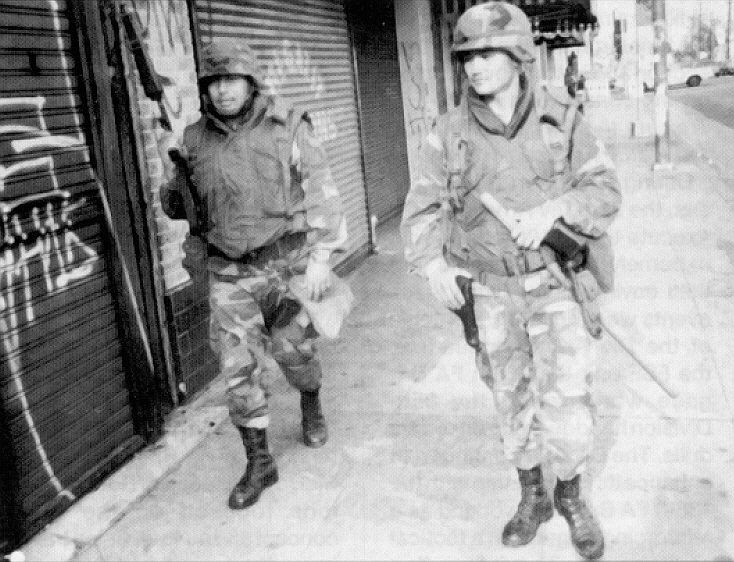

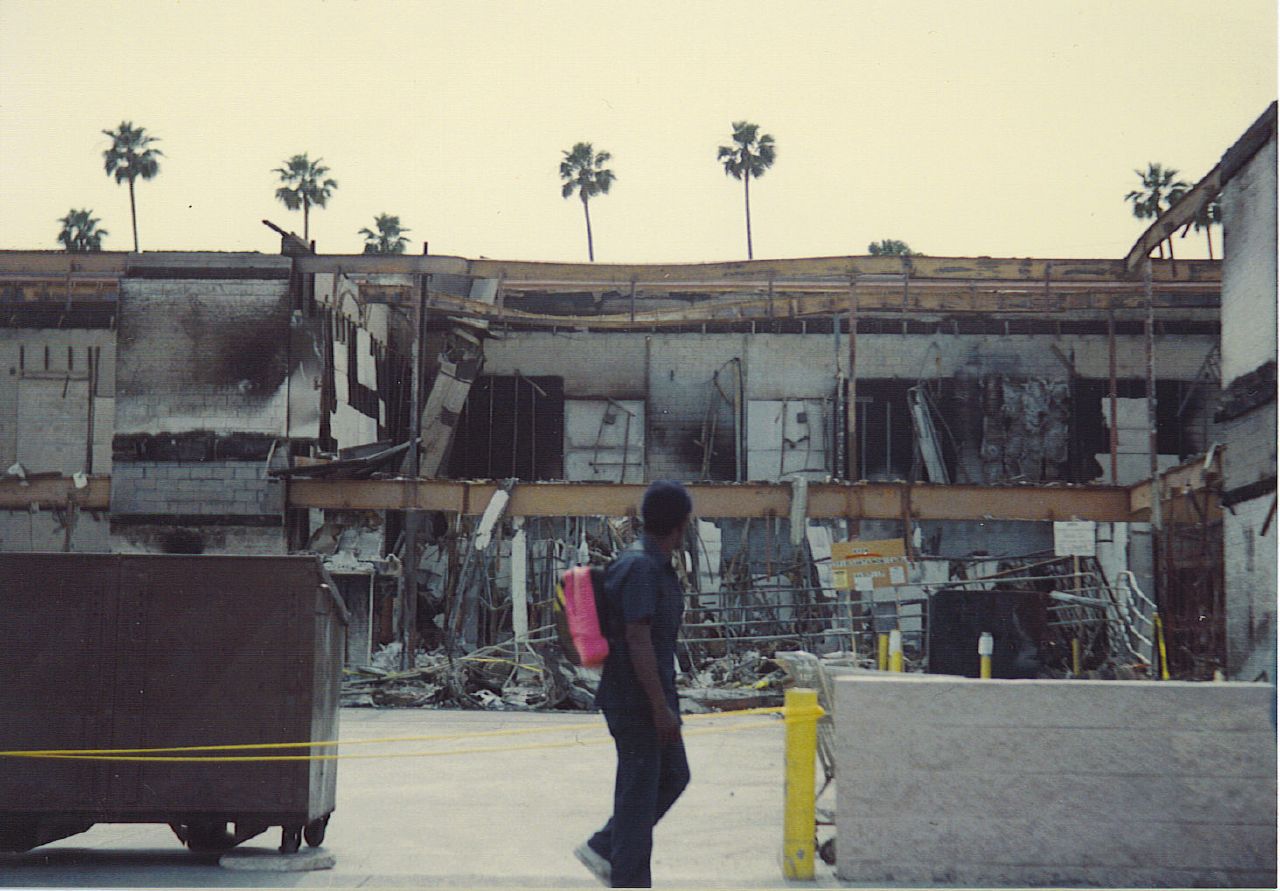

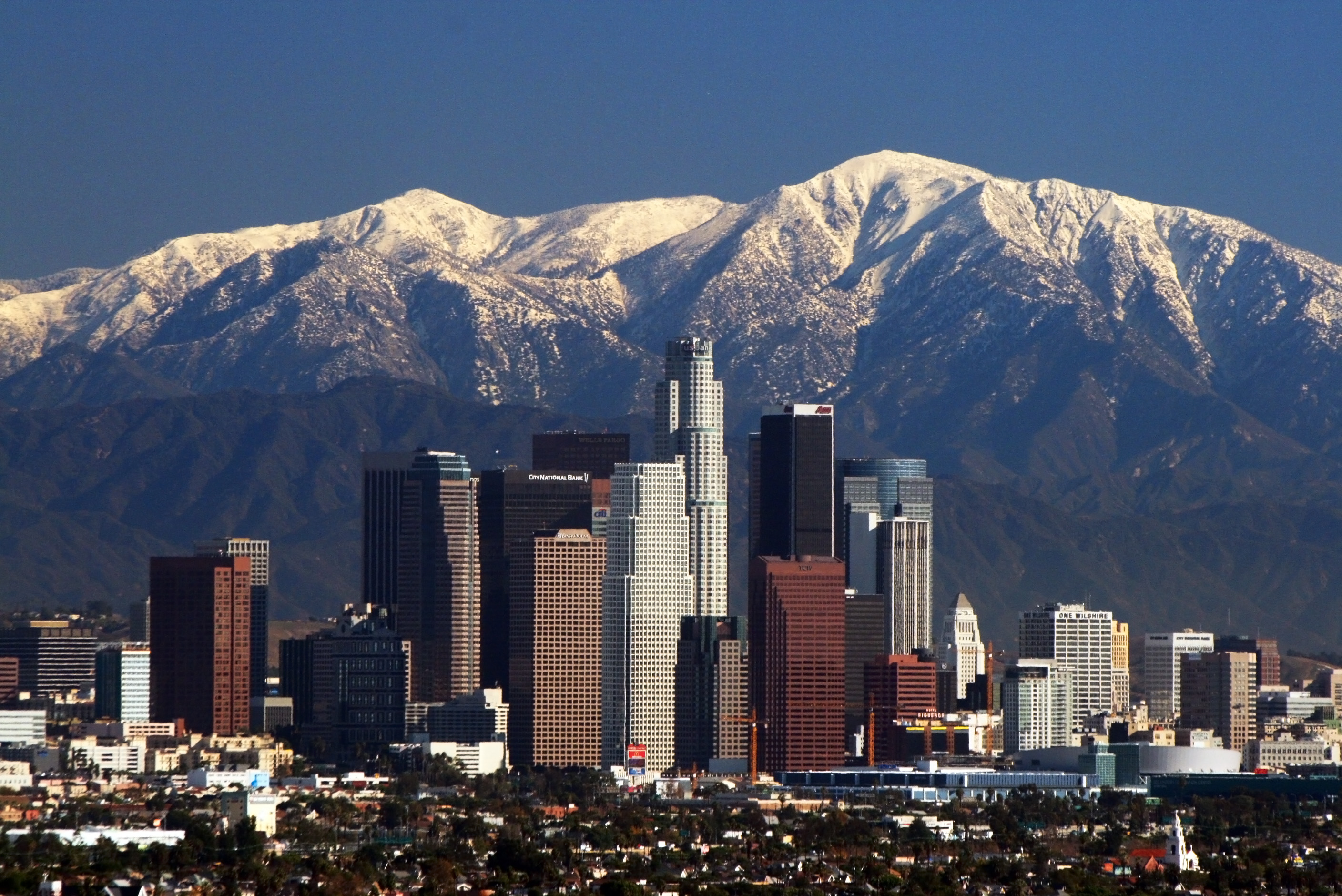


The 1992 Los Angeles riots (also called the 1992 Los Angeles uprising) were a series of riots and civil disturbances that occurred in Los Angeles County, California, United States, during April and May 1992. Unrest began in South Central Los Angeles on April 29, after a jury acquitted four officers of the Los Angeles Police Department (LAPD) charged with using excessive force in the arrest and beating of Rodney King. The incident had been videotaped by George Holliday, who was a bystander to the incident, and was heavily reported on by various news and media outlets. The rioting took place in several areas in the Los Angeles metropolitan area as thousands of people rioted over six days following the verdict's announcement. Widespread looting, assault, and arson occurred during the riots, which local police forces had difficulty controlling. The situation in the Los Angeles area was resolved after the California National Guard, United States military, and several federal law enforcement agencies deployed more than 10,000 of their armed responders to assist in ending the violence and unrest. When the riots ended, 63 people had been killed, 2,383 had been injured, more than 12,000 had been arrested, and estimates of property damage were over $1 billion, making it the most destructive period of local unrest in US history. Koreatown, situated just to the north of South Central LA, was disproportionately damaged because of racial tensions between the Black and Korean communities. Much of the blame for the extensive nature of the violence was attributed to LAPD chief of police Daryl Gates, who had already announced his resignation by the time of the riots, for failure to de-escalate the situation and overall mismanagement.
Read more on Wikipedia >