
Pirî Reis, -1554?
Enlarge text Shrink text-
 Personality

-
Save successfulThe item can be found in your Personal ZoneשגיאהLog in to your account to save

- Afetinan, A. Life and works of Piri Reis, 1975:t.p. (Piri Reis)
- Enc. of Islam(Pīrī Muḥyi ʼl-Dīn Reʼis, Ottoman navigator and cartographer; beheaded 962 (1554/1555) or 959 960; referred to as Pı̄rı̄ Reʼis)
- Büyük lûgat ve ansikl.(Pirî Reis; Turkish mariner; b. Gelibolu, 1465; d. Cairo, 1554)
- Ventura, A. La Puglia di Pirî Re'is, 1987?:p. 5 (Pirı Reis, or Ahmet Muhiddin) p. 8 (Ahmet Muhiddin Pirı; b. end of 15th cent.) p. 9 (d. 1554, Egypt, prob. 85 yrs. old)
- Ho Piri Reis, 1999:p. 1 of cover (1465-1553) p. 43 (b. between the years 1465-1470 in Gelibolu (Kallipolē) p. 50 (d. between the years 1553-1554 in Cairo, Egypt)
- Enkykl. Papyros Larous Britannika, c1992(hdg.: Piri Reis; Ottoman cartographer and explorer (1465-1554))
- LCN


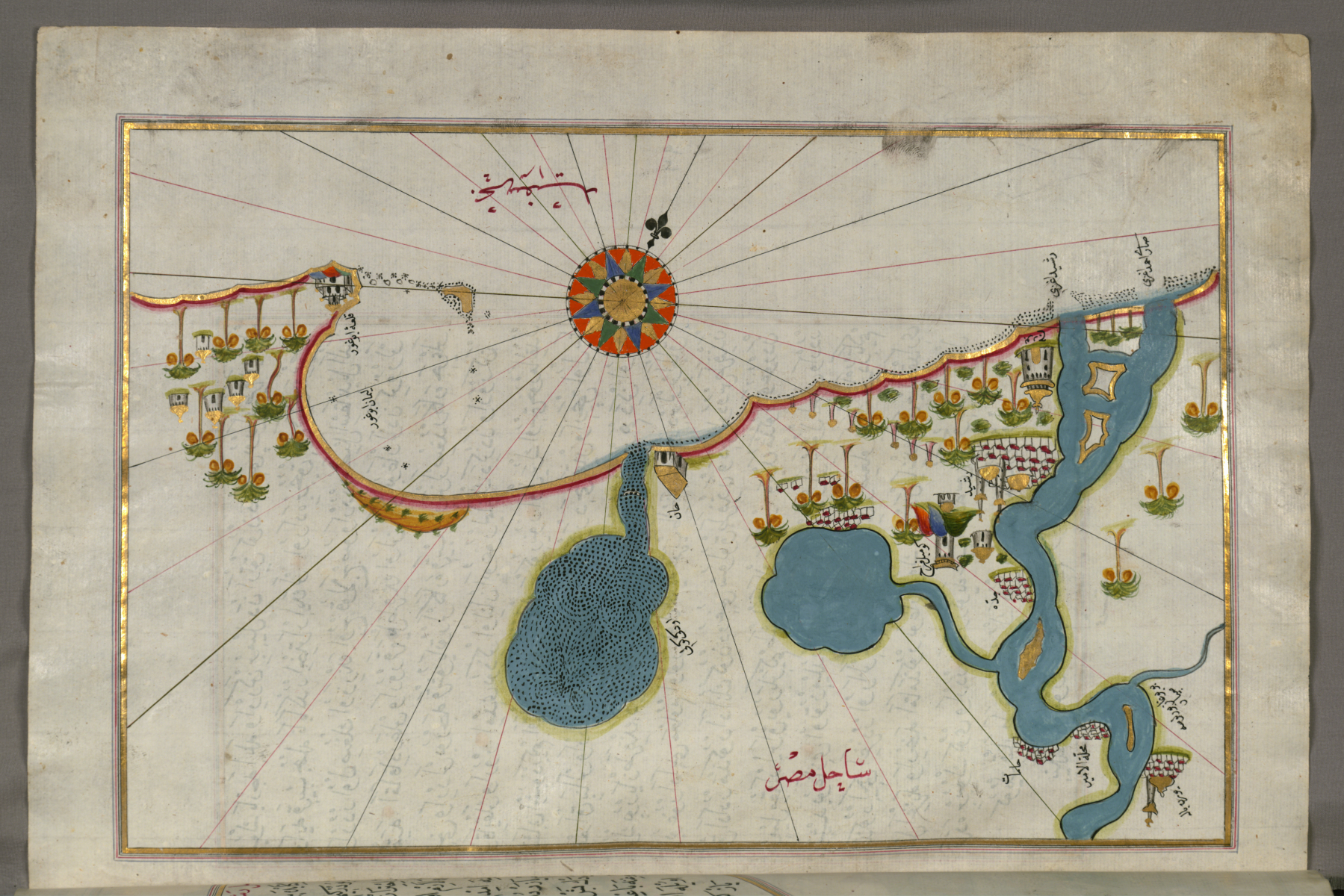


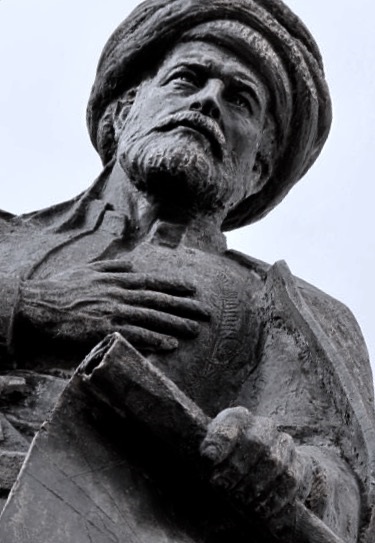
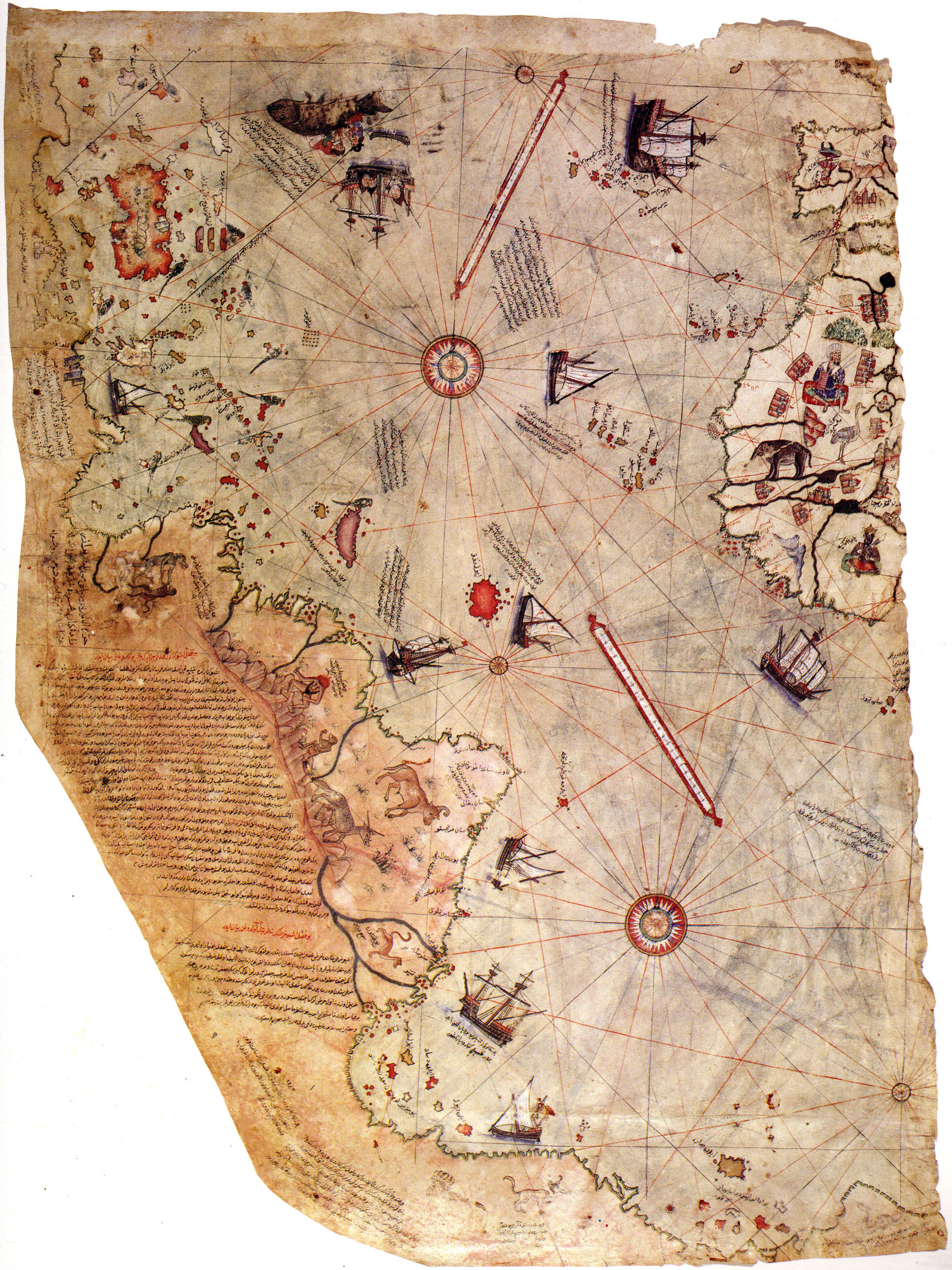


Piri Reis (Turkish: Pîrî Reis; born Muhiddin Piri; c. 1470–1553) was an Ottoman Turkish cartographer, admiral, navigator, and corsair. He is best known for his 1513 world map and his nautical atlas, the Kitab-ı Bahriye (Book of the Sea). His maps combined classical sources, his own seafaring knowledge, and information from new European discoveries. The 1513 world map drew international attention when rediscovered centuries later during renovations to the Topkapı Palace in Istanbul because it includes details from a now-lost map by Christopher Columbus. He began his maritime career sailing with his uncle, the corsair Kemal Reis, with whom he entered Ottoman naval service. He later commanded his own ship in the Ottoman–Venetian wars and, following his uncle’s death, began the cartographic work for which he became best known. Returning to the fleet by 1516, he took part in the Ottoman conquest of Egypt. He presented his world maps and atlases as gifts to the Ottoman Sultan, and commanded a small group of ships in naval operations in the eastern Mediterranean. Later, as grand admiral of the Ottoman fleet in the Indian Ocean, Piri Reis led successful campaigns in the Red Sea, but was executed following his retreat from the siege of Hormuz Island at the mouth of the Persian Gulf. During his lifetime, Piri Reis' cartography received little appreciation, but many copies of the Kitab-ı Bahriye were produced after his death. The 1929 rediscovery of his first world map increased interest in his work and made his career a point of national pride for Turkey. Although the map has been the subject of fringe theories based on the disproven hypothesis that the map depicted an ice-free Antarctica, studies have shown no significant similarities between the map and Antarctica's subglacial coast. Nevertheless, this speculation has increased interest in Piri Reis' cartography.
Read more on Wikipedia >