
Krupp, Gustav
Enlarge text Shrink text-
 Personality

-
Save successfulThe item can be found in your Personal ZoneשגיאהLog in to your account to save

- Donovan, W. J., collector. Nuremberg trials archive, 1933-1946(Gustav Krupp)
- RLIN, June 28, 2002(hdg.: Krupp, Gustav; Krupp von Bohlen und Halbach, Gustav; Krupp, Gustav, von Bohlen und Halbach, Dr.)
- Ency. of the Third Reich, 1991:p. 517 (Krupp von Bohlen und Halbach, Gustav; b. 7 Aug. 1870, The Hague; d. 16 Jan. 1950, Blühnbach bei Salzburg)


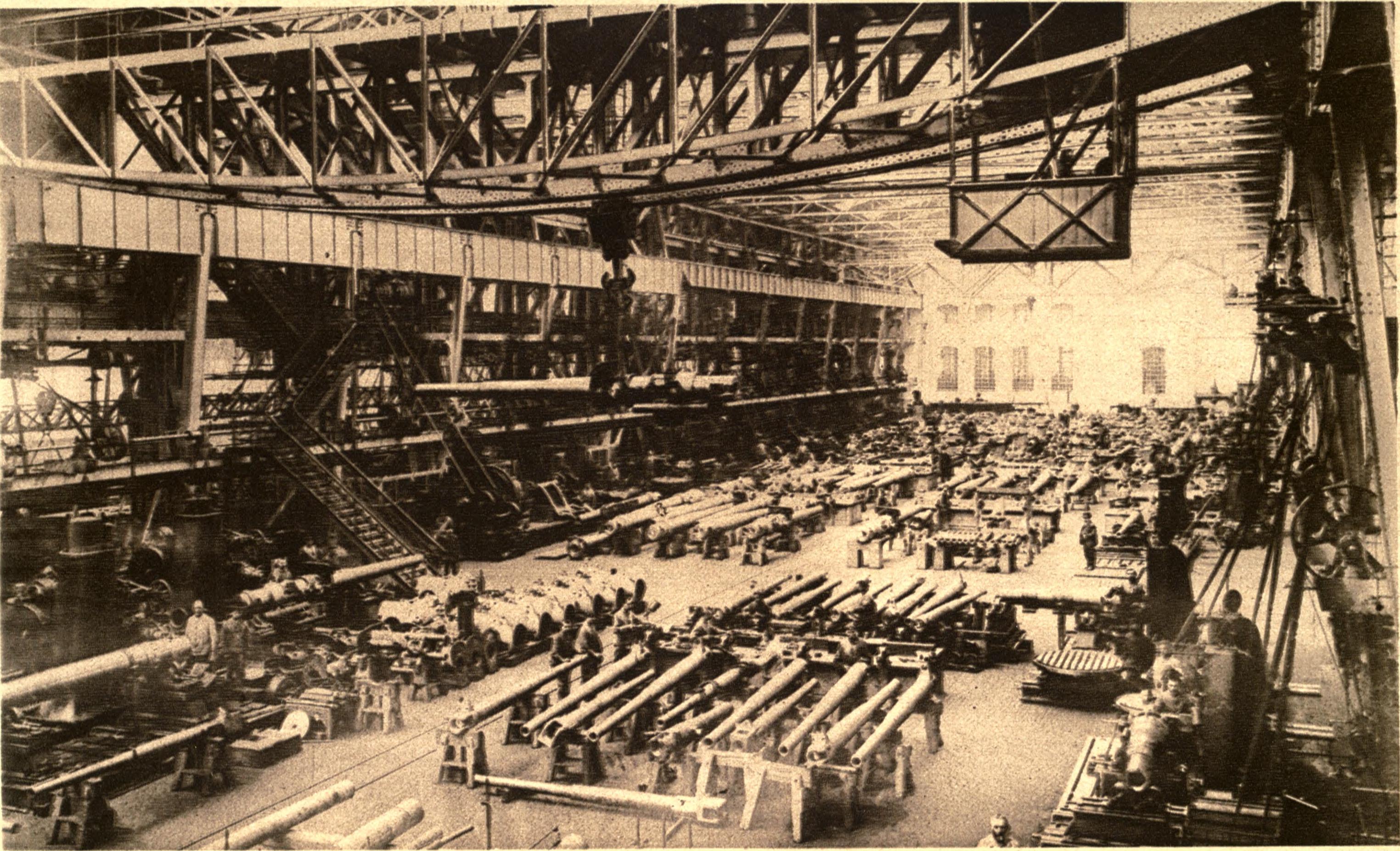

Gustav Georg Friedrich Maria Krupp von Bohlen und Halbach (born Gustav von Bohlen und Halbach; 7 August 1870 – 16 January 1950) was a German diplomat and industrialist. From 1909 to 1945, he headed Friedrich Krupp AG, a heavy industry conglomerate, and led the company through two world wars along with his son Alfried, providing significant weapons and materials for the German war effort. Born in The Hague into a German family with a long history in diplomatic service, Gustav von Bohlen und Halbach was the Prussian consul at the Vatican when he married Bertha Krupp, the heiress of the Krupp family, at the behest of Emperor Wilhelm II. He was allowed to add the Krupp name to his own and subsequently became chairman of the company. Under Krupp, the company had a near monopoly in heavy arms manufacture in Germany at the outbreak of the First World War, and was responsible for the production of Big Bertha, the Paris Gun and the U-boat. Krupp took part in the German rearmament in secret shortly after the signature of the Treaty of Versailles. An avowed monarchist, he was initially opposed to the Nazis, but eventually became a fervent supporter of Adolf Hitler and offered significant financial support for the NSDAP. From the late 1930s on he was gradually reduced to a figurehead of the company due to deteriorating health, and in 1943 he was formally succeeded by his son. At the end of World War II, plans to prosecute him as a war criminal at the Nuremberg trials were dropped as he was bedridden, senile and deemed medically unfit to stand trial. Krupp died in Austria in 1950.
Read more on Wikipedia >