
Naidu, Sarojini, 1879-1949
Enlarge text Shrink text-
 Personality

-
Save successfulThe item can be found in your Personal ZoneשגיאהLog in to your account to save

- Her The bird of time ... 1912.
- Ankrava, S. I︠A︡. Sarodzhini Naĭdu, 1984.


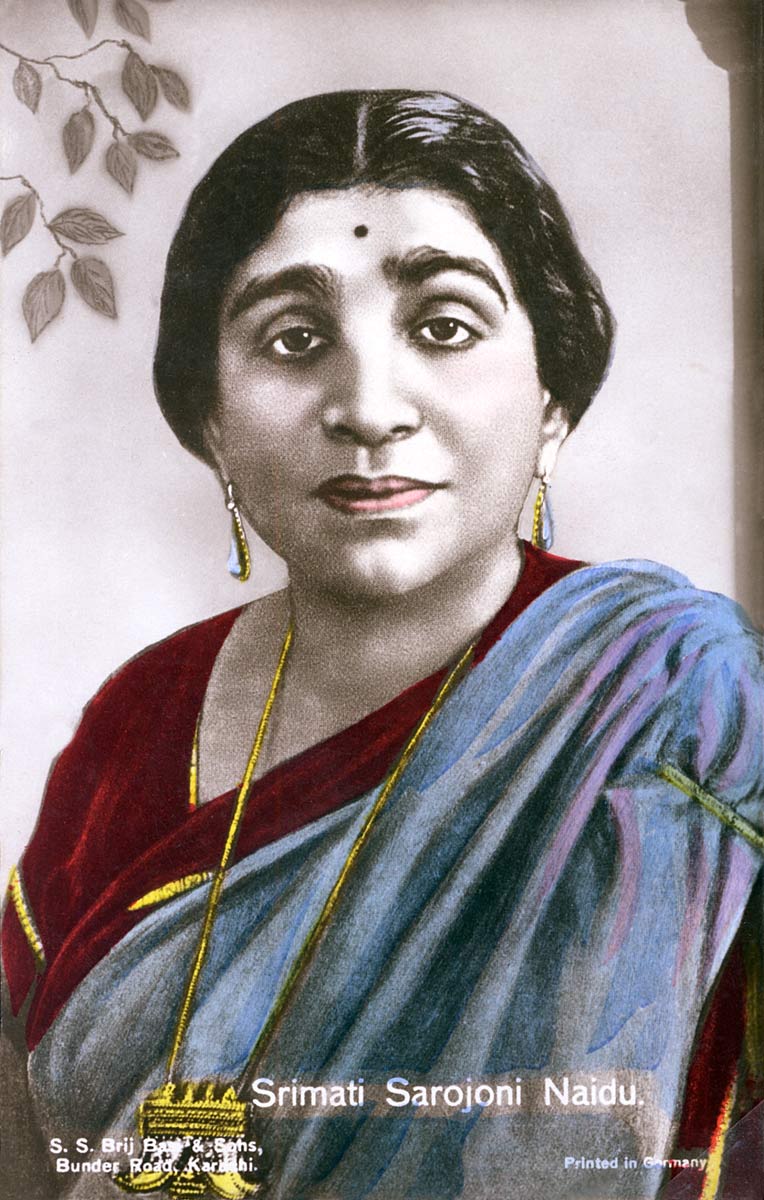


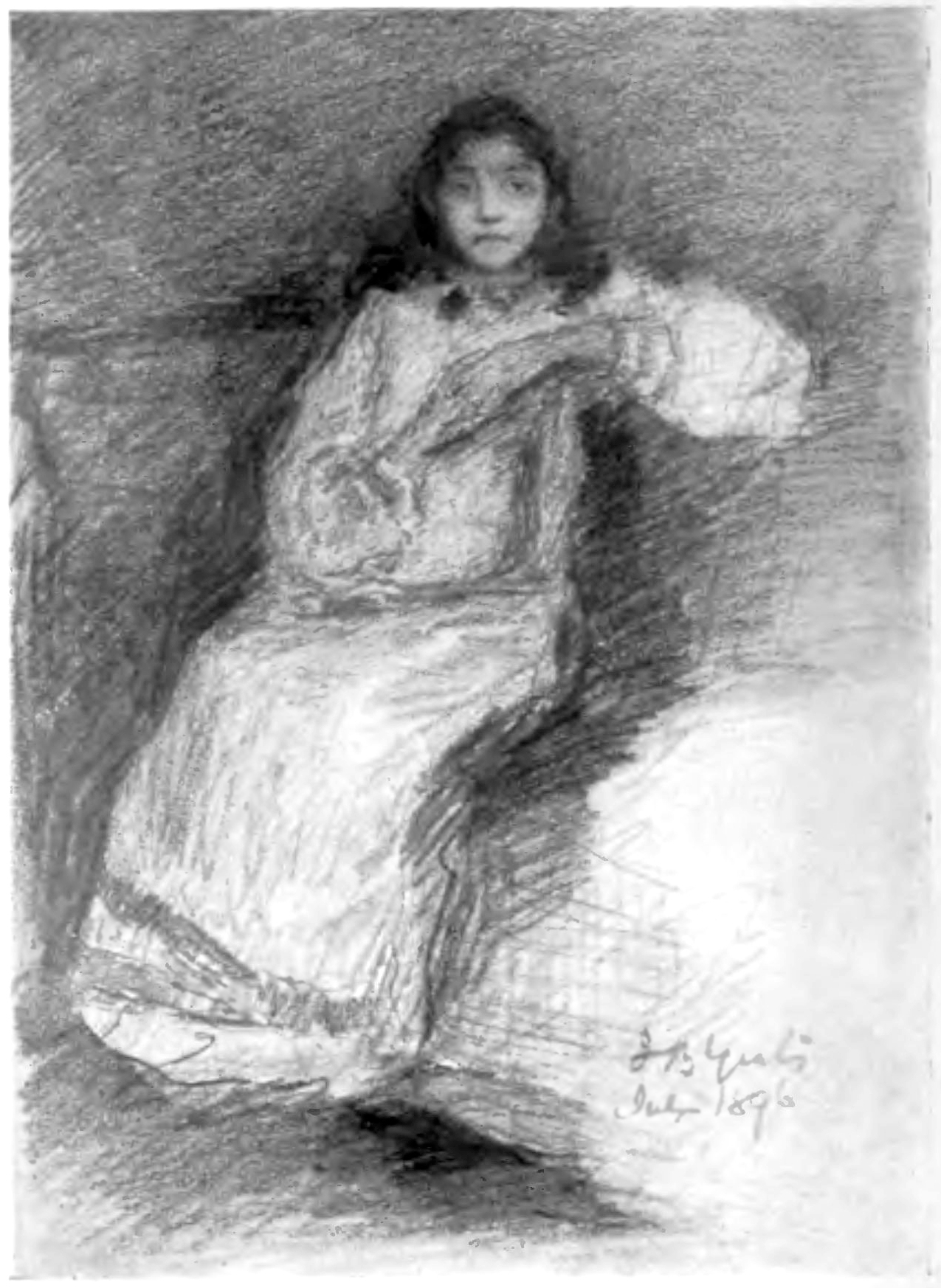

Sarojini Naidu (née Chattopadhyay) (Bengali pronunciation: [ʃɔrod͡ʒini]; 13 February 1879 – 2 March 1949) was an Indian political activist and poet who served as the first Governor of United Provinces, after India's independence. She played an important role in the Indian independence movement against the British Raj. She was the first Indian woman to be president of the Indian National Congress and appointed governor of a state. Born in a Bengali family in Hyderabad, Naidu was educated in Madras, London and Cambridge. Following her time in Britain, where she worked as a suffragist, she was drawn to the Congress party's struggle for India's independence. She became a part of the national movement and became a follower of Mahatma Gandhi and the idea of swaraj (self-rule). She was appointed Congress president in 1925 and, when India achieved its independence, became the Governor of the United Provinces in 1947. Naidu's literary work as a poet earned her the nickname the "Nightingale of India" by Gandhi because of the colour, imagery, and lyrical quality of her poetry. Her oeuvre includes both children's poems and others written on more serious themes including patriotism and tragedy. Published in 1912, "In the Bazaars of Hyderabad" remains one of her most popular poems.
Read more on Wikipedia >